Arrest
“The right of the people to be secure in their persons, houses, papers, and effects, against unreasonable searches and seizures, shall not be violated, and no Warrants shall issue, but upon probable cause, supported by Oath or affirmation, and particularly describing the place to be searched, and the persons or things to be seized.”
— Amendment IV, U.S. Constitution
Home | All Cases | Criminal Procedure | Arrest
-

Draper v. United States
358 U.S. 307 (1958)
Does the Fourth Amendment prohibit information provided to law enforcement by an informant from being used to establish probable cause to arrest a suspect without a warrant?
-
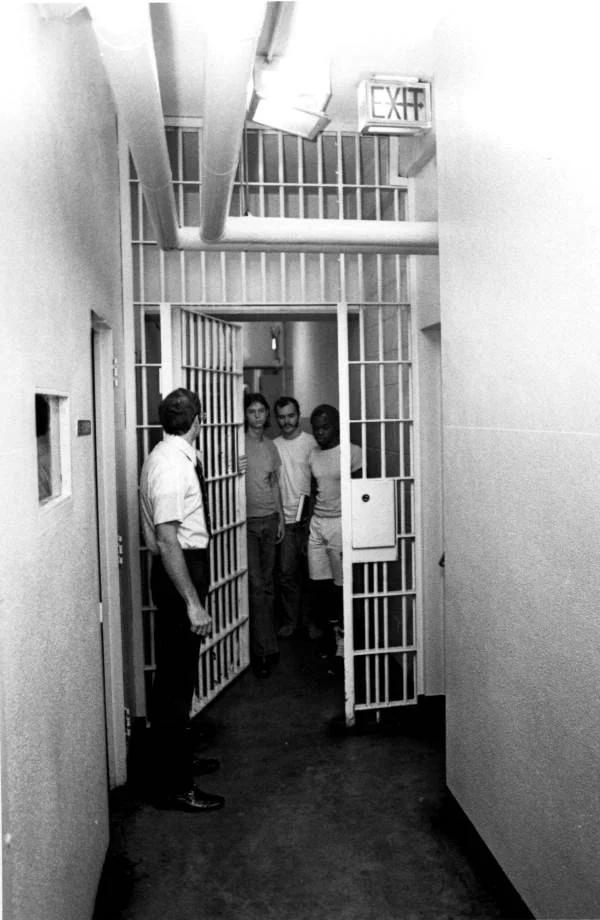
Gerstein v. Pugh
420 U.S. 103 (1975)
Does the Fourth Amendment require that a person arrested and held for trial receive a judicial determination of probable cause for detention?
-
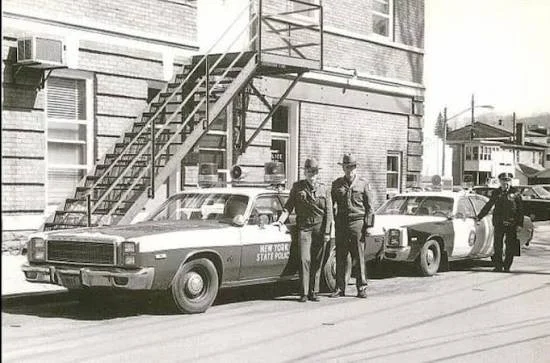
Dunaway v. New York
442 U.S. 200 (1979)
Does the detention of a suspect into custody for questioning without probable cause violate the Fourth Amendment’s protection from unreasonable search and seizure?
-
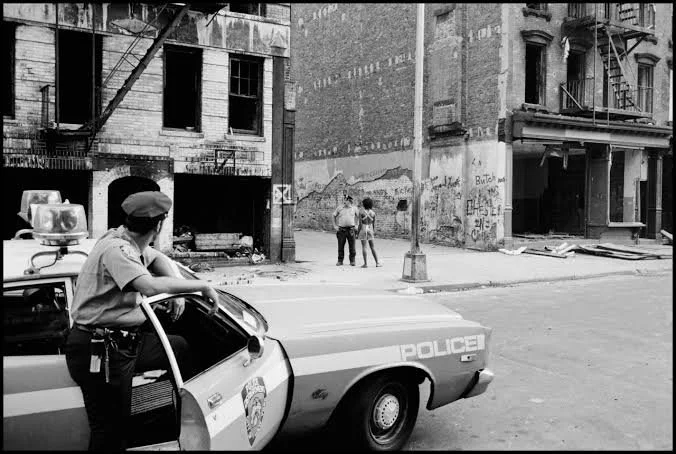
Payton v. New York
445 U.S. 573 (1979)
Does the Fourth Amendment prohibit police officers from making a warrantless and nonconsensual entry into a suspect’s home to make a routine felony arrest?
-

Welsh v. Wisconsin
466 U.S. 740 (1984)
Does the Fourth Amendment prohibit a warrantless, nighttime home entry to arrest a suspect for a nonjailable traffic offense?
-

Richards v. Wisconsin
520 U.S. 385 (1997)
Does the Fourth Amendment permit a blanket, category-wide exception to the knock-and-announce requirement for felony drug investigations?