McDonald v. City of Chicago
Case Overview
CITATION
ARGUED ON
DECIDED ON
DECIDED BY
OVERRULED
561 U.S. 742
Mar. 2, 2010
Jun. 28, 2010
U.S. v. Cruikshank (1876)
Presser v. Illinois (1886)
Miller v. Texas (1894)
Legal Issue
Does the Second Amendment’s protection of the right to keep and bear arms apply to the states under the incorporation doctrine of the Fourteenth Amendment?
Holding
Yes, the Second Amendment’s protection of the right to keep and bear arms applies to the states under the Fourteenth Amendment.

Otis McDonald speaking to the press outside the Supreme Court after they ruled in his favor | Credit: Brendan Hoffman/Getty Images
Background
In 1982, Chicago enacted a citywide ban of handguns, making it illegal for citizens to legally own any handgun. Otis McDonald, a resident of the Morgan Park neighborhood of Chicago since 1971, wanted to purchase a handgun to defend himself against what he saw as a declining neighborhood. McDonald was an experienced hunter and owned several shotguns, but after his house was burglarized five times, he felt he needed a handgun for home defense. The city’s handgun ban, however, made this impossible.
The Supreme Court’s decision in District of Columbia v. Heller (2008) created uncertainty as to whether or not the Second Amendment applied to the states, so McDonald and three other plaintiffs from Chicago joined together and sued the city on the grounds that their Second Amendment rights had been violated. The Court of Appeals for the Seventh Circuit initially upheld the Chicago ordinance, citing United States v. Cruikshank (1876), Presser v. Illinois (1886), and Miller v. Texas (1894). The Supreme Court then granted certiorari.
5 - 4 decision for McDonald
McDonald
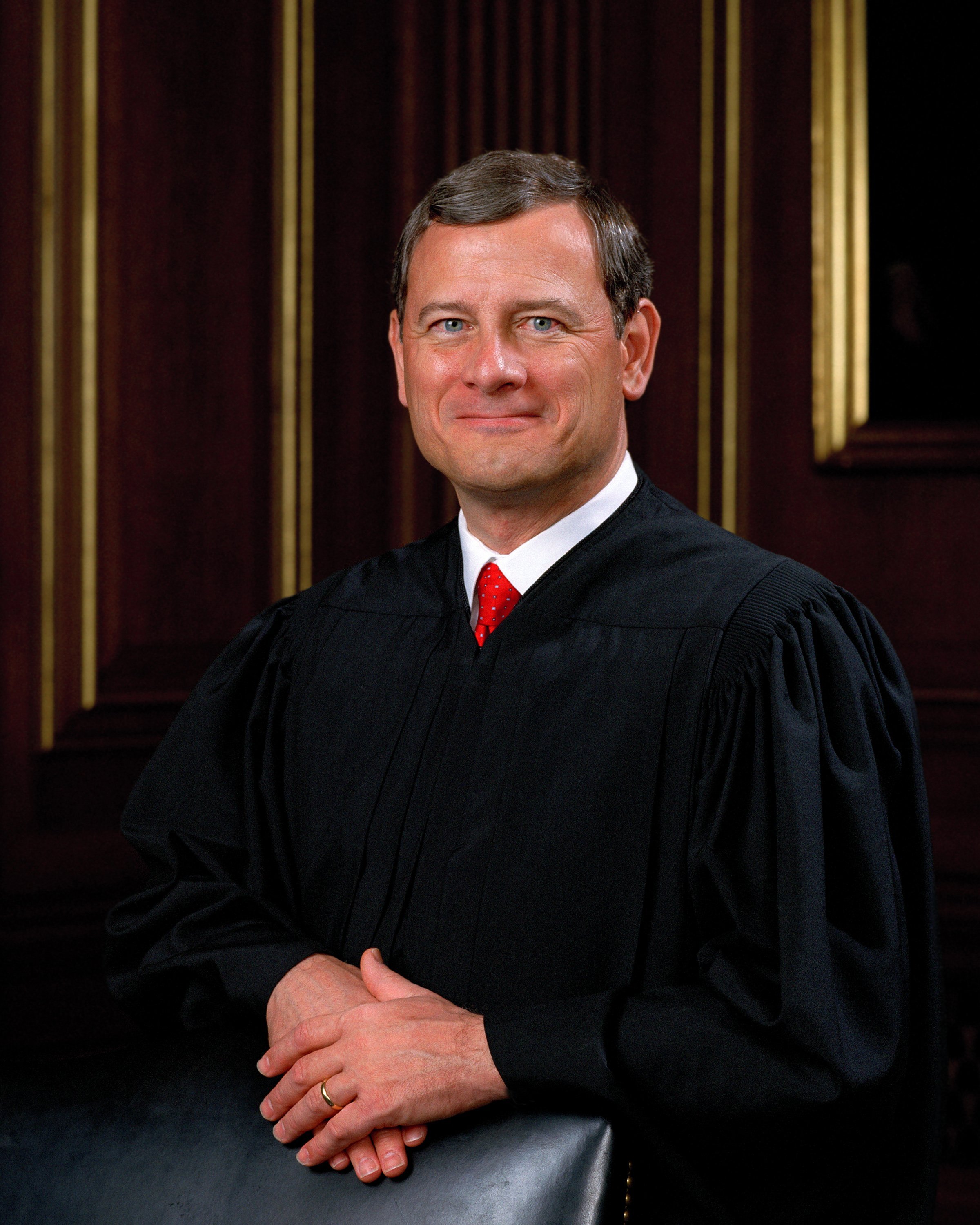
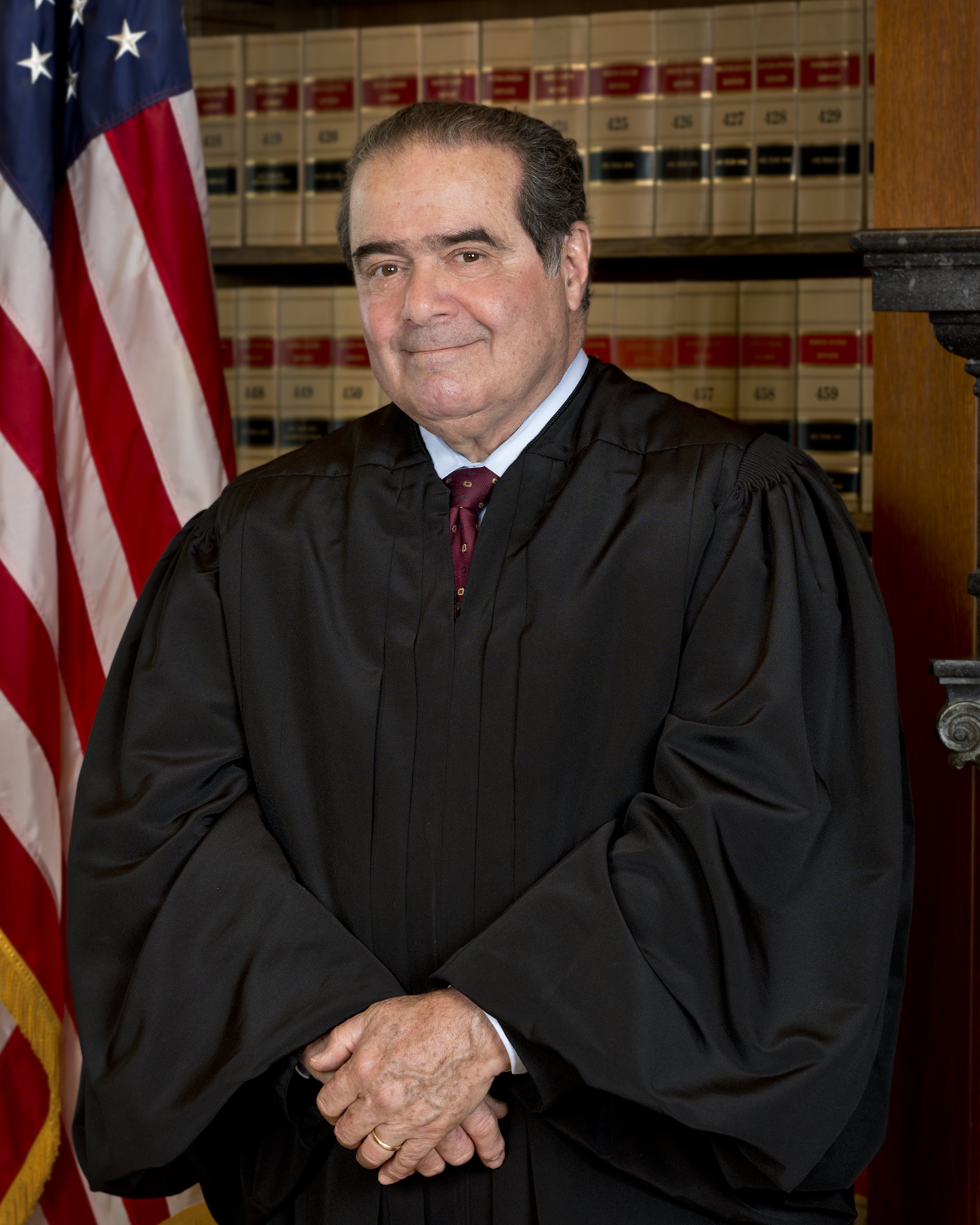


Chicago


Roberts
Thomas
Kennedy
Alito
Stevens
Breyer
Ginsburg
Sotomayor
Scalia
-
Writing for the Court, Justice Samuel Alito held that the Second Amendment is fully applicable to the states through the Due Process Clause of the Fourteenth Amendment. Alito noted that in Heller, the Court established that the right to keep and bear arms for the purpose of self-defense is “the central component” of the Second Amendment and is engrained into out Nation’s history and tradition. He wrote that at the time of our founding, “Antifederalists and Federalists alike agreed that the right to bear arms was fundamental to the newly formed system of government. . .[b]ut those who were fearful that the new Federal Government would infringe traditional rights such as the right to keep and bear arms insisted on the adoption of the Bill of Rights as a condition for ratification of the Constitution.”
In applying the Second Amendment to the states, Alito wrote that “if a Bill of Rights guarantee is fundamental from an American perspective, then, unless stare decisis counsels otherwise that guarantee is fully binding on the States and thus limits (but by no means eliminates) their ability to devise solutions to social problems that suit local needs and values.” Alito determined that the Second Amendment is “fundamental to our scheme of ordered liberty and justice” and is thus incorporated against the states under the Due Process Clause.
Alito commented on overturning Cruikshank (1876), Presser (1886), and Miller (1894), noting that they “all preceded the era in which the Court began the process of ‘selective incorporation’ under the Due Process Clause.” He added that Cruikshank was already overturned in part by De Jonge v. Oregon (1937). Alito concluded with a comment on other gun regulations, noting that “[d]espite municipal respondents’ doomsday proclamations, incorporation does not imperil every law regulating firearms.”
-
In his concurring opinion, Justice Antonin Scalia wrote, “[d]espite my misgivings about substantive due process as an original matter, I have acquiesced in the Court’s incorporation of certain guarantees in the Bill of Rights ‘because it is both long established and narrowly limited.’” He noted, however, that he wrote separately to respond to some aspects of Justice Stevens’ dissent. He reasoned that in determining the scope of “fundamental rights,” the Court should depend on historical, not moral, analysis. Scalia explained that the historical method is “less subjective because it depends upon a body of evidence susceptible of reasoned analysis rather than a variety of vague ethico-legal First Principles whose combined conclusion can be found to point in any direction.” He concluded that the majority’s ruling “intrudes less upon the democratic process because the rights it acknowledges are those established by a constitutional history formed by democratic decisions; and the rights it fails to acknowledge are left to be democratically adopted or rejected by the people, with the assurance that their decision is not subject to judicial revision.”
-
In his concurring opinion, Justice Clarence Thomas reasoned that the right to keep and bear arms applies to the States through the Fourteenth Amendment’s Privileges or Immunities Clause. In contrast with the Court’s opinion, incorporation under the Privileges or Immunities Clause viewed the right to bear arms as a privilege of American citizenship. While he agreed with the majority that the Second Amendment is fully applicable to the states and that it is “fundamental to the American ‘scheme of ordered liberty,’” he explained that he cannot agree “that it is enforceable against the States through a clause that speaks only to process.”