United States v. Carolene Products Co.
Case Overview
CITATION
ARGUED ON
DECIDED ON
DECIDED BY
304 U.S. 144
Apr. 6, 1938
Apr. 25, 1938
Legal Issue
Does the Filled Milk Act, which prohibits the shipment in interstate commerce certain types of skimmed milk, violate the Due Process Clause of the Fifth Amendment?
Holding
No, the prohibition of shipment of the product in interstate commerce doesn’t violate the Fifth Amendment.
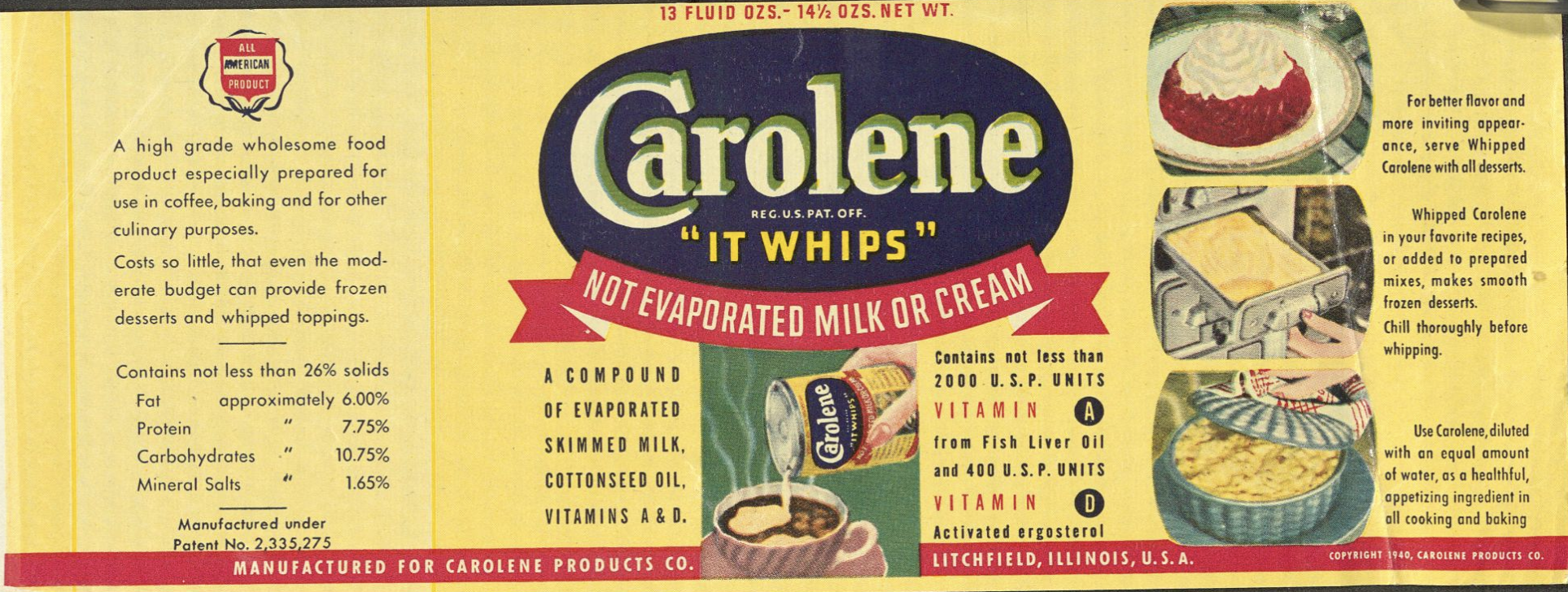
Vintage labeling for Carolene Products Co. | Credit: KRGC
Background
Carolene Products Co. was indicted for violating the Filled Milk Act by the shipping in interstate commerce certain packages of “Milnut,” a compound of condensed skimmed milk and coconut oil made in imitation or semblance of condensed milk or cream.
6 - 1 decision for the United States
United States





Carolene

Butler
McReynolds
Brandeis
Black
Roberts
Stone
Hughes
* Justices Reed and Cardozo took no part in the consideration or decision of this case.

-
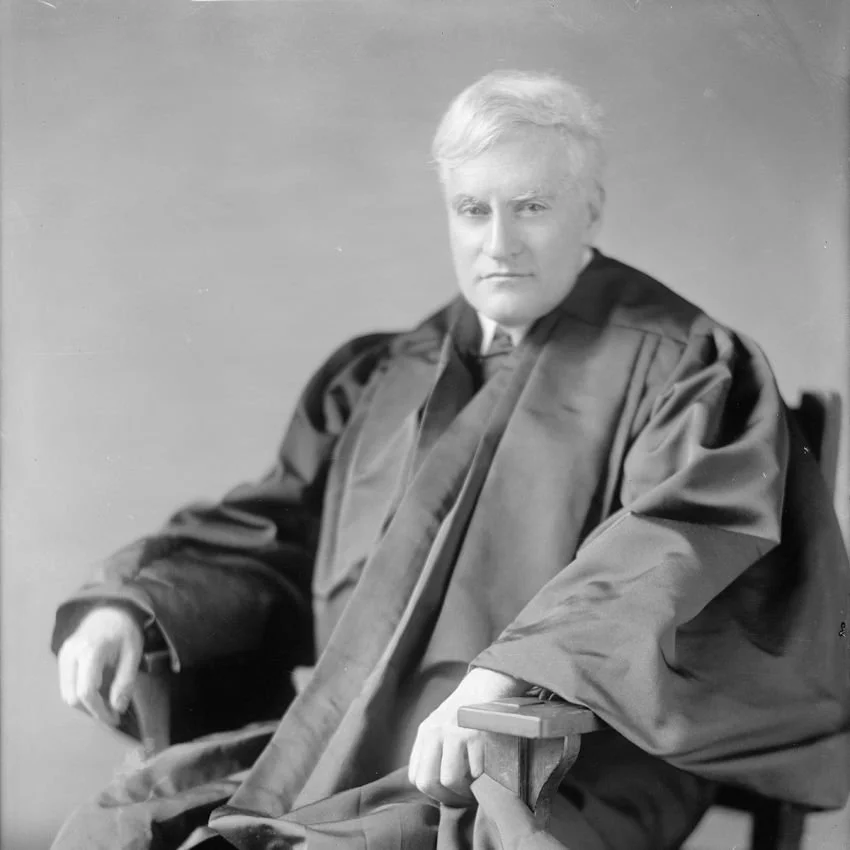
Writing for the Court, Justice Harlan Stone found that the Filled Milk Act’s prohibition of shipping certain items in interstate commerce didn’t infringe upon the Fifth Amendment. Stone explained that in Hebe Co. v. Shaw (1919), the Court held that a state law forbidding the manufacture of a certain product (also a certain kind of milk) didn’t violate the Due Process Clause of the Fourteenth Amendment since the Court found “that there was ample scope for the legislative judgment that prohibition of the offending article was an appropriate means of preventing injury to the public.” Since no argument to the contrary was proposed, Stone stated that the decision could be decided “wholly on the presumption of constitutionality.”
Stone, however, continued that affirmative evidence also exists to support the Filled Milk Act. Stone pointed to the extensive record developed by Congress, which included testimony from eminent scientists and health experts. He noted that “[t]here is nothing in the Constitution which compels a Legislature, either national or state, to ignore such evidence, nor need it disregard the other evidence which amply supports the conclusions of the Congressional committees that the danger is greatly enhanced where an inferior product, like appellee’s, is indistinguishable from a valuable food of almost universal use, thus making fraudulent distribution easy and protection of the consumer difficult.”
This led Stone into his discussion of the Rational Basis Test, where he illustrated that “the existence of facts supporting the legislative judgment is to be presumed, for regulatory legislation affecting ordinary commercial transactions is not to be pronounced unconstitutional unless in the light of the facts made known or generally assumed it is of such a character as to preclude the assumption that it rests upon some rational basis within the knowledge and experience of the legislators.” He further explained that when the determination of a rational basis “depends upon facts beyond the sphere of judicial notice, such facts may properly be made the subject of judicial inquiry.” Such an inquiry must be limited to whether any facts exist that could reasonably support the legislation. If none exist, then the Court may find the legislation unconstitutional.
Stone concluded that the Filled Milk Act was constitutional, writing “[h]ere the demurrer challenges the validity of the statute on its face and it is evident from all the considerations presented to Congress, and those of which we may take judicial notice, that the question is at least debatable whether commerce in filled milk should be left unregulated, or in some measure restricted, or wholly prohibited. As that decision was for Congress, neither the finding of a court arrived at by weighing the evidence, nor the verdict of a jury can be substituted for it.”