South Dakota v. Dole
Case Overview
CITATION
ARGUED ON
DECIDED ON
DECIDED BY
483 U.S. 203
Apr. 28, 1987
Jun. 23, 1987
Legal Issues
Does Congress’ authority under the Taxing and Spending Clause grant them the power to condition a portion of federal highway funding on States changing the drinking age to 21?
Holding
Yes, Congress has power under the Taxing and Spending Clause to attach conditions to federal funding so long as those conditions are related to a federal interest and not ambiguous, unconstitutional, or coercive.
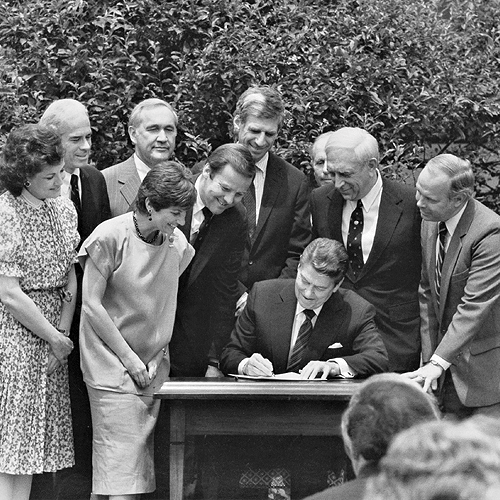
MADD Advocates with President Reagan as he signs the National Minimum Age Drinking Act in 1984 | Credit: MADD
Background
In 1984, Congress enacted the National Minimum Age Drinking Act (23 U.S.C. §158), which directed the Secretary of Transportation to withhold a percentage of federal highway funds otherwise allocable from States “in which the purchase or public possession . . . of any alcoholic beverage by a person who is less than twenty-one years of age is lawful.” The law was passed in part due to intense advocacy from Mothers Against Drunk Driving (MADD).
South Dakota law permitted anyone 19 years of age or older to purchase beer containing up to 3.2% alcohol. South Dakota sued the Secretary of Transportation, then Elizabeth Dole, in U.S. District Court seeking a declaratory judgment against the Act. The district court dismissed, so South Dakota Appealed to the U.S. Court of Appeals for the Eighth Circuit. The circuit court affirmed the district court’s holding, so South Dakota appealed to the Supreme Court.
7 - 2 decision for Dole
S. Dakota


Dole




Rehnquist
Powell
Stevens
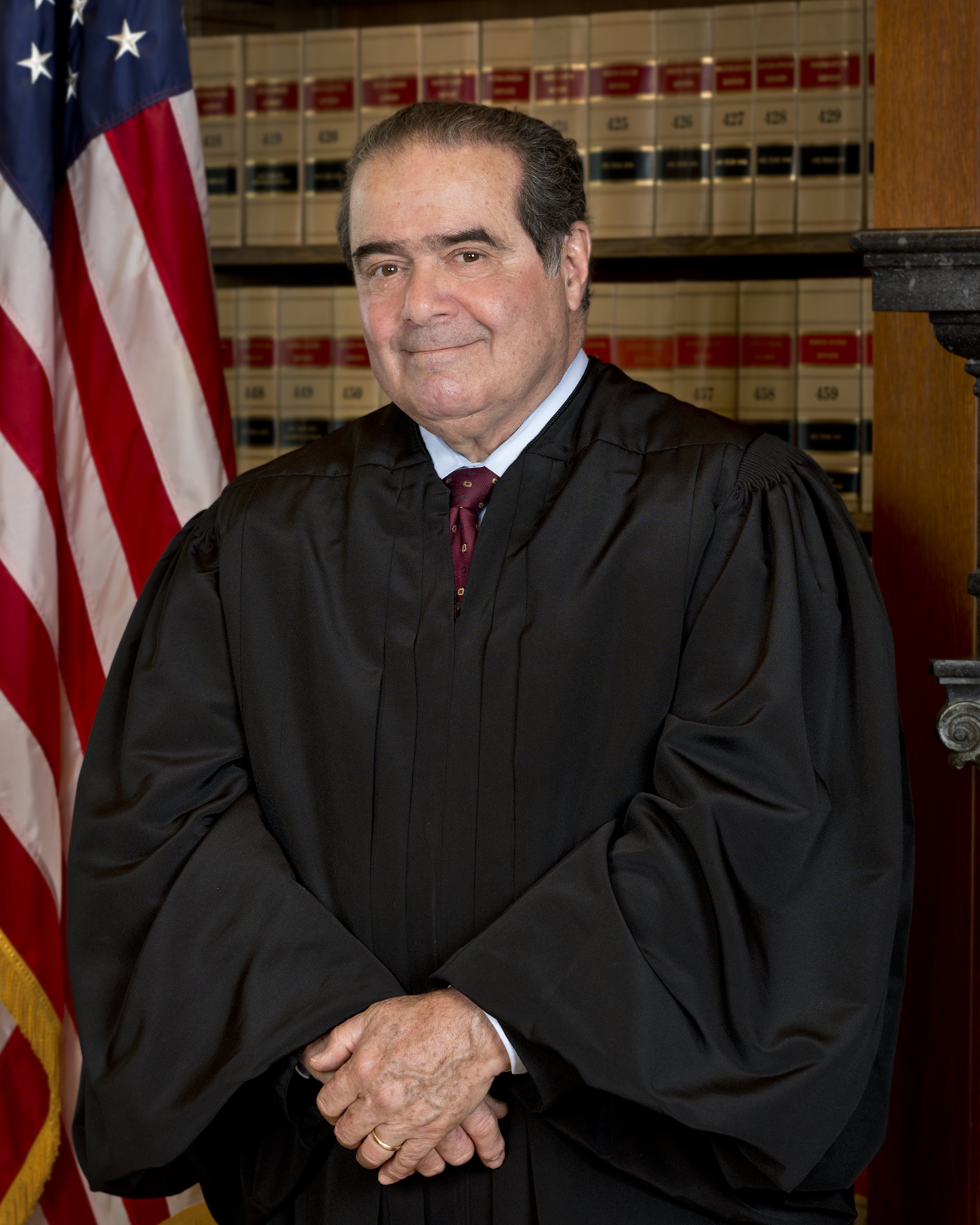
Scalia
O’Connor
Brennan
White
Blackmun
Marshall
-
Writing for the Court, Chief Justice William Rehnquist began by establishing Congress’ authority under the Taxing and Spending Clause. Rehnquist noted that this authority allows Congress attach conditions to federal funding “to further broad policy objectives by conditioning receipt of federal moneys upon compliance by the recipient with federal statutory and administrative directives.”
Rehnquist noted that the spending power is not unlimited and explained the several general restrictions previously articulated by the Court. Rehnquist first explained that the spending must promote “the general welfare.” Then, Rehnquist explained that conditions on that spending must be unambiguous and related “to the federal interest in particular national projects or programs.” Lastly, he noted that the condition cannot be unconstitutional or coercive to the States. Regarding Congress’ exercise here, Rehnquist found that the spending was clearly for the general welfare and didn’t violate any of the limitations just explained. Responding to the argument that the law was coercive, Rehnquist wrote that “[w]hen we consider, for a moment, that all South Dakota would lose if she adheres to her chosen course as to a suitable minimum drinking age is 5% of the funds otherwise obtainable under specified highway grant programs, the argument as to coercion is shown to be more rhetoric than fact.” Ultimately, Rehnquist concluded that the law was constitutional and upheld its enforcement.
-
In her dissenting opinion, Justice Sandra Day O’Connor wrote that while she agreed with the principle that Congress may attach conditions to the receipt of federal funds to further federal interests, “the Court’s application of the requirement that the condition imposed be reasonably related to the purpose for which the funds are expended is cursory and unconvincing.” O’Connor explained that in her view, establishment of a minimum drinking age isn’t sufficiently related to interstate highway construction to justify conditioning of federal funds on a State’s compliance. O’Connor further explained that Congress may insist that a highway be safe, but they aren’t entitled to use highway funds for the purpose of imposing or changing a State’s regulations in other areas of social or economic life. She argued that “if the rule were otherwise, the Congress could effectively regulate almost any area of a State’s social, political, or economic life on the theory that use of the interstate transportation system is somehow enhanced.”