Dobbs v. Jackson
Women’s Health Organization
Case Overview
CITATION
ARGUED ON
DECIDED ON
DECIDED BY
OVERRULED
597 U.S. 215
Dec. 1, 2021
Jun. 24, 2022
Roe v. Wade (1973)
Planned Parenthood v. Casey (1992)
Legal Issue
Does the Constitution confer a right for a woman to obtain an abortion?
Holding
No, the Constitution does not confer a right to abortion, and the authority to regulate abortion must be returned to the people and their elected representatives.
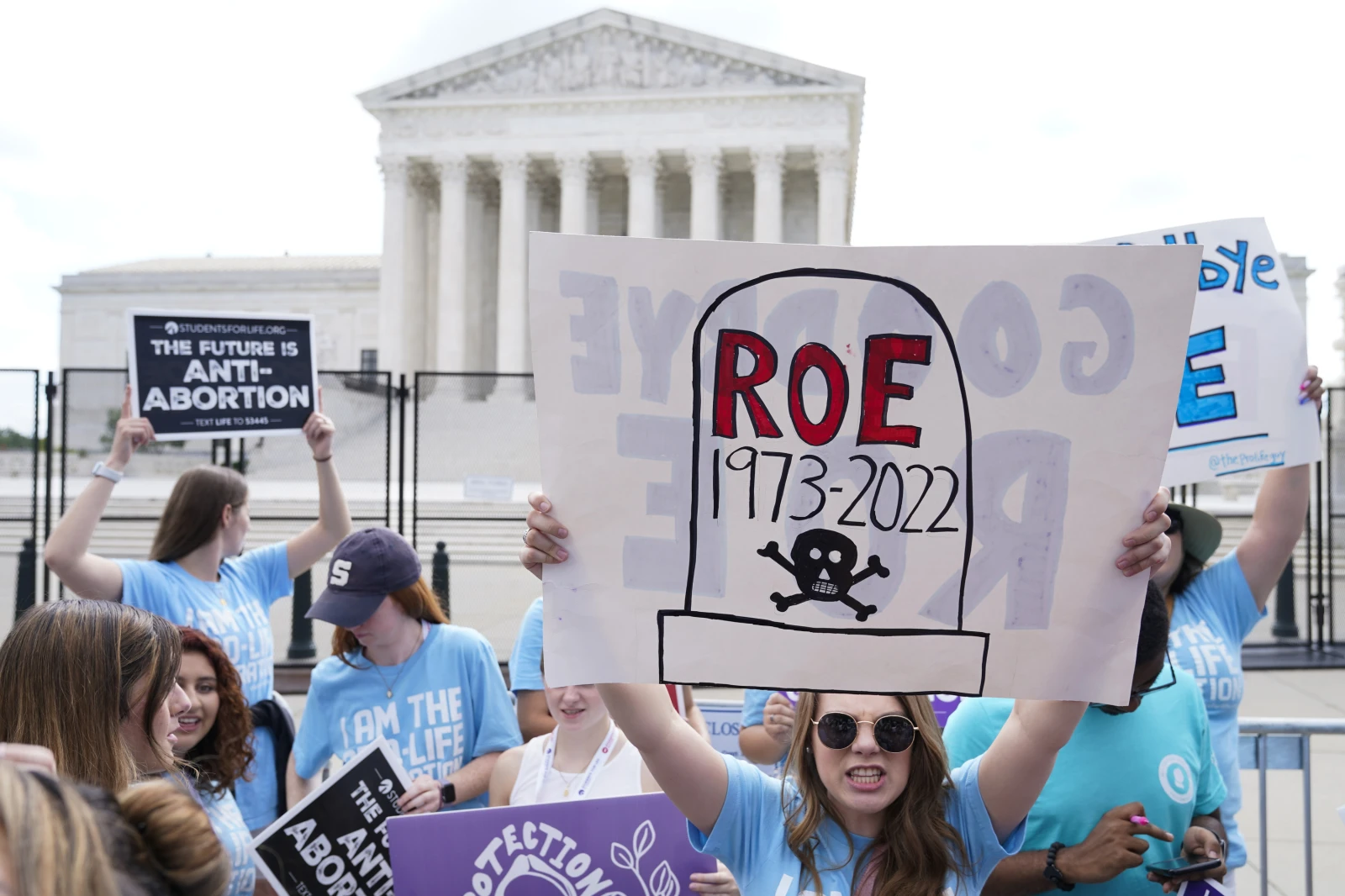
Pro-Life protestors celebrating the Supreme Court’s ruling in Dobbs on the day it was announced | Credit: AP Photo/Jacquelyn Martin
Background
In 1973, the Supreme Court held in Roe v. Wade that the “concept of personal liberty” guaranteed by the Fourteenth Amendment of the Constitution included the right for a woman to obtain an abortion. At the time of the decision, 30 states prohibited abortion at all stages of pregnancy with few exceptions. As a result of the Court’s decision, most of those laws were struck down in their entirety.
In 1992, the Supreme Court revisited Roe in Planned Parenthood v. Casey. There, the Court disregarded the trimester scheme established in Roe and substituted a new rule under which States were forbidden to adopt any regulation that imposed an “undue burden” on a woman’s right to have an abortion.
In March 2018, the Mississippi Legislature passed the Gestational Age Act, which prohibited abortion after 15 weeks unless it was to protect the health of the mother. Within a day of the Act passing the Legislature, Mississippi’s only abortion clinic, Jackson’s Women’s Health Organization, sued Thomas Dobbs, a state health officer with the Mississippi State Department of Health, and Kenneth Cleveland, the Executive Director of the Mississippi State Board of Medical Licensure.
The case was first brought in the U.S. District Court for the Southern District of Mississippi, where Judge Carlton Reeves ruled for Jackson and placed an injunction on Mississippi to prevent enforcement of the Act. Mississippi appealed to the Fifth Circuit Court of Appeals. In December 2019, the District Court’s ruling was upheld in a 3–0 decision. Mississippi requested that the case be reheard in an en banc rehearing, but that was denied.
In March 2019, the Mississippi Legislature passed the Heartbeat Bill, which prohibited most abortions when an unborn child’s heartbeat could be detected (typically 6 to 12 weeks into pregnancy). In May, the District Court for the Southern District of Mississippi issued another injunction, this time against the Heartbeat Bill. On appeal in February 2020, the Fifth Circuit Court of Appeals upheld the second injunction in a per curiam decision. In June 2020, Mississippi petitioned the Supreme Court to review the Fifth Circuit’s decisions. The Court granted certiorari May 17, 2021, to answer a single question: are all pre-viability prohibitions on elective abortions are unconstitutional? By the time the Court heard the case, 26 States had expressly asked the Court to overrule Roe and Casey so that they could regulate or prohibit pre-viability abortions.
6 - 3 decision for Dobbs
Breyer
Dobbs
Jackson
Kagan
Barrett
Thomas
Gorsuch
Alito
Sotomayor
Roberts
Kavanaugh
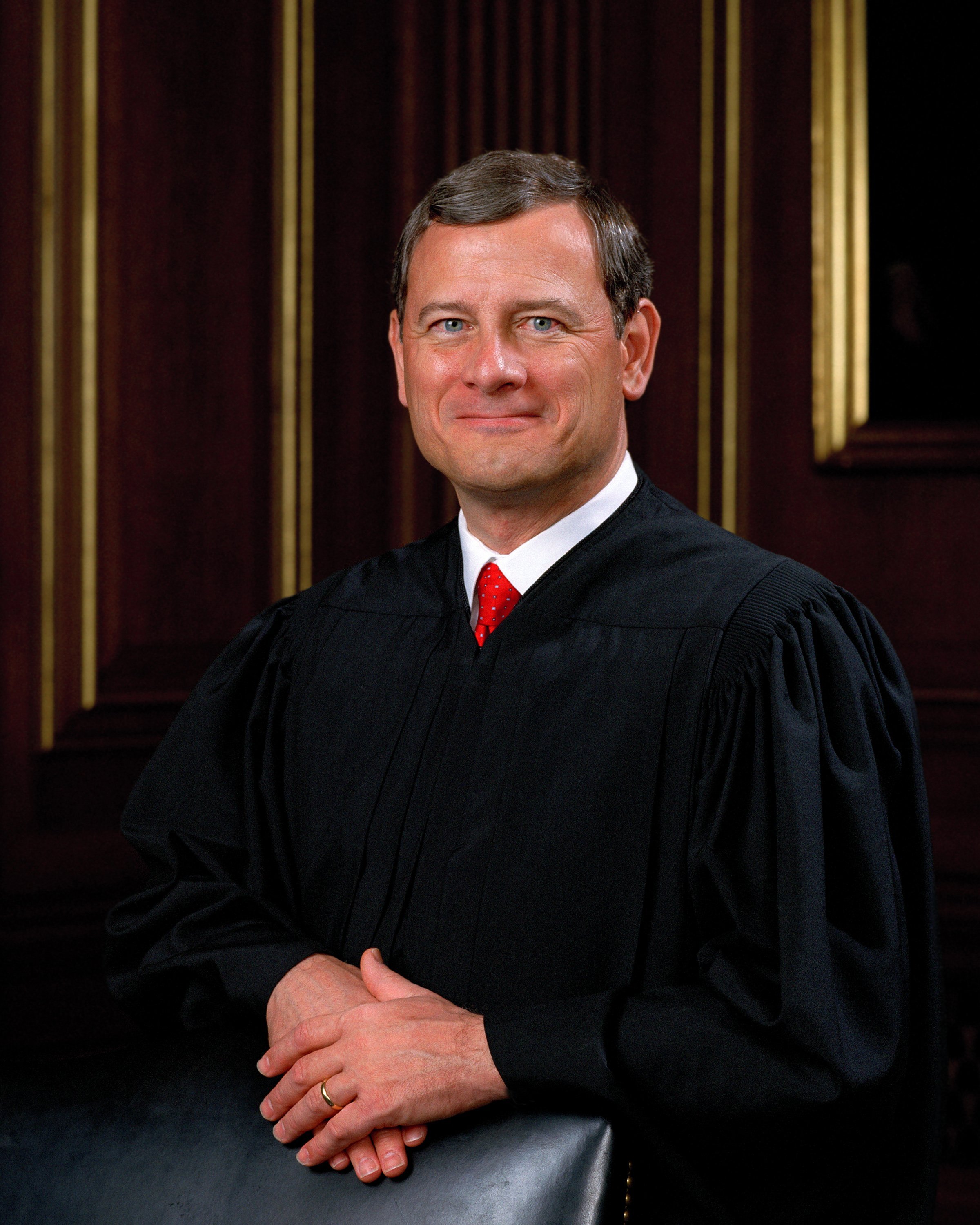


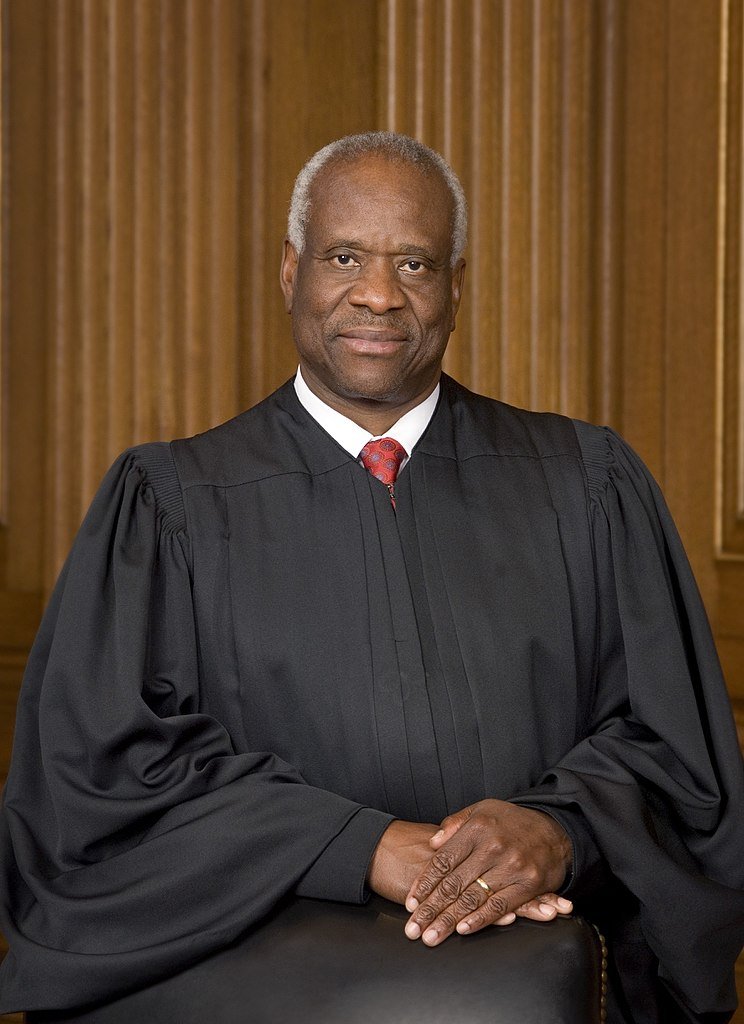

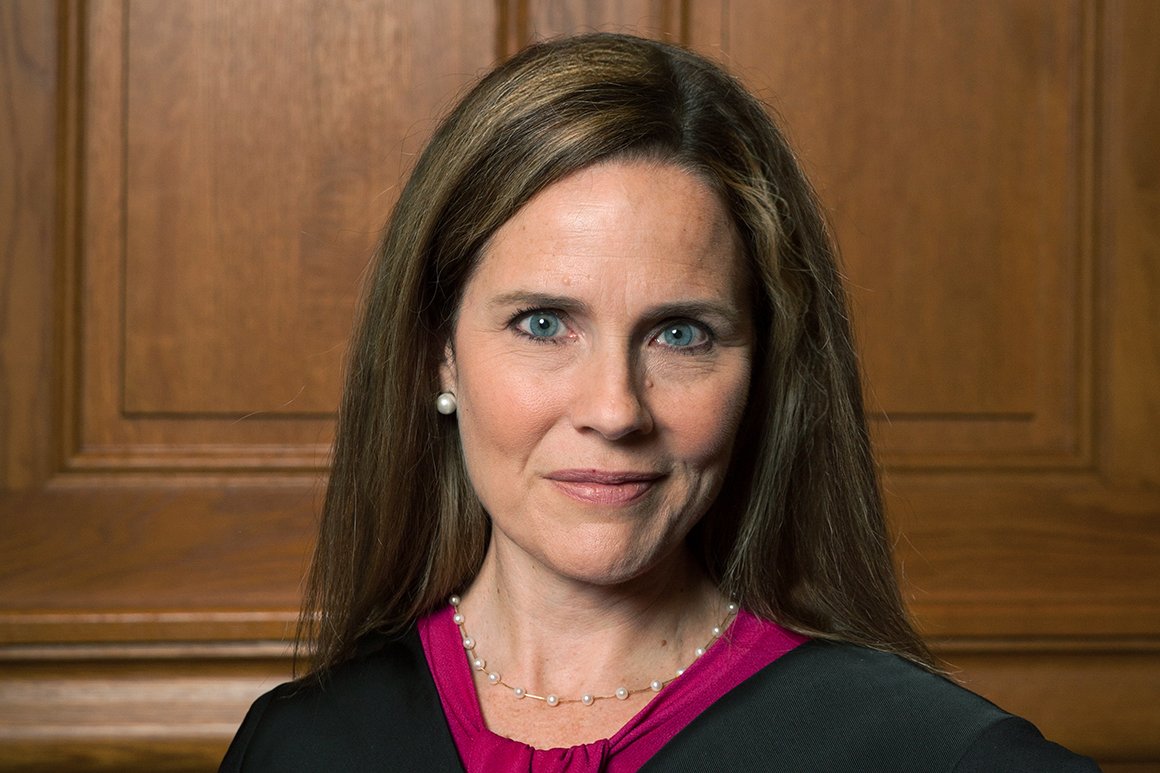

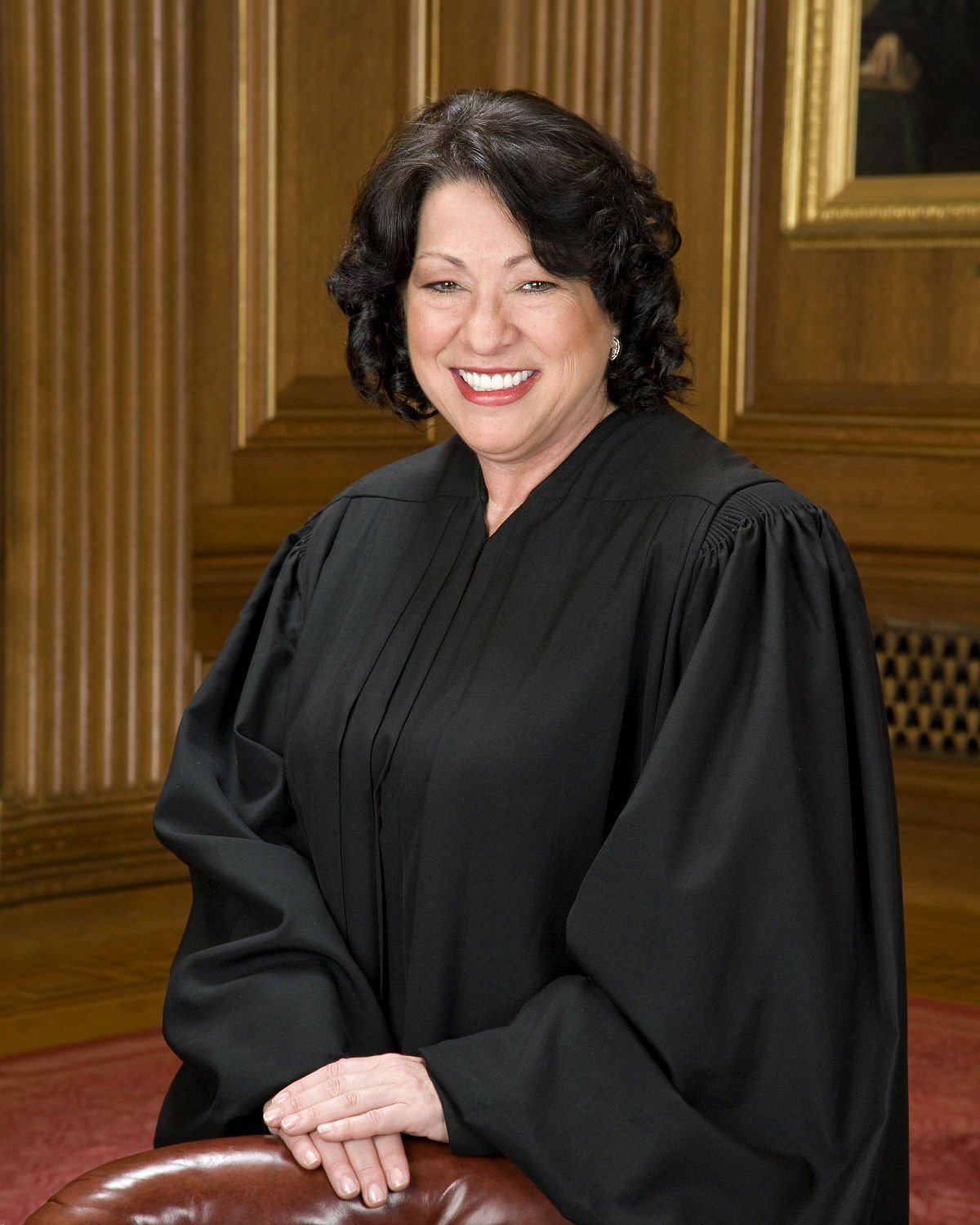
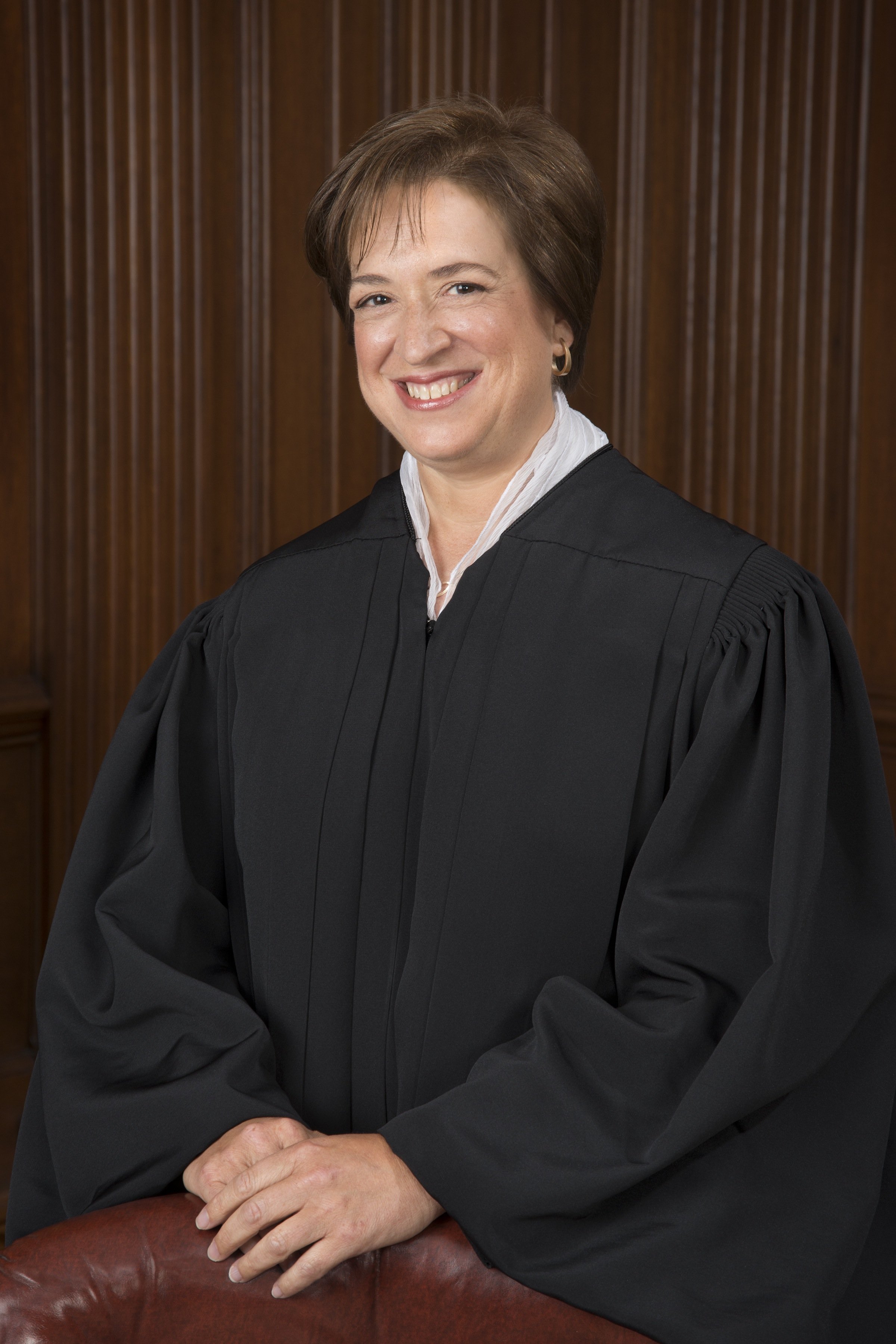
-
Writing for the Court, Justice Samuel Alito held that the Constitution does not include a right for a woman to obtain an abortion or prohibit states from regulating the practice. Alito began by reviewing the Court’s decisions in Roe v. Wade (1973) and Planned Parenthood v. Casey (1992). Alito described Roe as “remarkable loose in its treatment of the constitutional text” and criticized the Court for stringing together five different Constitutional Amendments to create a right not mentioned in the Constitution. Regarding Casey, Alito criticized the Court for enshrining abortion rights under the Due Process Clause of the Fourteenth Amendment as an aspect of “liberty” it protects. Alito explained that for a right not mentioned in the Constitution to be protected under this theory, the Court must ask whether that right is “deeply rooted [our] history and tradition” and essential to our Nation’s “scheme of ordered liberty”.
Regarding the issue of whether abortion is “deeply rooted” in the history and tradition of the United States or essential to its “scheme of ordered liberty”, Alito determined that it was not. Alito began with the common law, explaining that “although common-law authorities differed on the severity of punishment for abortions committed at different points in pregnancy, none endorsed the practice.” Moving to the historical record in the United States, Alito found that there was no notable or consistent support for abortion until relatively recently. Alito pointed out that at the time the Fourteenth Amendment was ratified, 28 of 37 states had made abortion a crime. By 1910, all but one state criminalized abortion. Alito concluded that “[t]he inescapable conclusion is that a right to abortion is not deeply rooted in the Nation’s history and traditions. On the contrary, an unbroken tradition of prohibiting abortion on pain of criminal punishment persisted from the earliest days of the common law until 1973.”
Alito then responded to the argument that the right to obtain an abortion is “an integral part of a broader entrenched right”, which Roe described as a “right to privacy and Casey as the freedom to make “intimate and personal choices” that are “central to personal dignity and autonomy.” Alito explained the concept of ordered liberty sets limits and boundaries for competing interests in society, and that nothing in our Nation’s history prevents the people’s representatives from regulating abortion. Furthermore, Alito reputed attempts to rely on the Court’s rulings in case such as Griswold v. Connecticut (1965), stating “[t]hese attempts to justify abortion through appeals to a broader right to autonomy and to define one’s ‘concept of existence’ prove too much.” He explained, '“[w]hat sharply distinguishes the abortion right from the rights recognized in the cases on which Roe and Casey rely is something that both those decisions acknowledged: Abortion destroys what those decisions call ‘potential life’ and what the law at issue in this case regards as the life of an ‘unborn human being.’ None of the other decisions cited by Roe and Casey involved the critical moral question posed by abortion. They are therefore inapposite.” Regarding the argument that societal changes required the Court to recognize a right to obtain an abortion, Alito responded that the power to protect such a right now rightly left to the people and their representatives.
Alito also briefly responded to the argument that the Equal Protection Clause of the Fourteenth Amendment protects the right to obtain an abortion, pointing out that neither the proponents of Roe or Casey made this argument due to its weakness in the face of precedent. Alito stated that the Court’s precedent “squarely foreclose[s]” the extension of the Equal Protection clause to abortion, explaining the Court’s decision in Geduldig v. Aiello (1974) that “regulation of a medical procedure that only one sex can undergo does not trigger heightened constitutional scrutiny unless the regulation is a ‘mere pretex[t] designed to effect an invidious discrimination against members of one sex or the other.’” Alito went further, reaffirming the Court’s holding in Bray v. Alexandria Women’s Health Clinic (1993) that “the ‘goal of preventing abortion’ does not constitute ‘invidiously discriminatory animus’ against women.”
Addressing the standard of review appropriate for future abortion-related statutes, Alito held that “like other health and welfare laws, [it] is entitled to a ‘strong presumption of validity.’ It must be sustained if there is a rational basis on which the legislature could have thought that it would serve legitimate state interests.” He then listed those interests as including: “respect for and preservation of prenatal life at all stages of development; the protection of maternal health and safety; the elimination of particularly gruesome or barbaric medical procedures; the preservation of the integrity of the medical profession; the mitigation of fetal pain; and the prevention of discrimination on the basis of race, sex, or disability.”
On the issue of stare decisis, Alito explained that while an important principle, it “is ‘not an inexorable command,’ and it ‘is at its weakest when we interpret the Constitution.’ An erroneous constitutional decision can be fixed by amending the Constitution, but our Constitution is notoriously hard to amend. Therefore, in appropriate circumstances we must be willing to reconsider and, if necessary, overrule constitutional decisions.” Alito pointed to the Court’s decision in Brown v. Board of Education (), among others, that overturned long-standing precedent but are vital to constitutional law. Alito explained, “[w]ithout these decisions, American constitutional law as we know it would be unrecognizable, and this would be a different country.”
Alito then identified five factors which the Court has previously established to be used in a stare decisis analysis. On the first factor, the nature of the Court’s error, Alito argued that Roe was “egregiously wrong” and “deeply damaging” from the day it was decided, comparable to Plessy v. Ferguson. He stated that Roe was on a collision course with the Constitution from the start because its analysis was far outside the bounds of any reasonable interpretation of the text and usurped the power to address a profound moral question that should have been left to the people. On the second factor, the quality of the reasoning, Alito criticized Roe for failing to ground its decision in the Constitution's text, history, or precedent and for concocting the trimester framework, which resembled legislation rather than constitutional law. Alito then criticized the "viability" line retained by Casey, arguing that it makes no sense because it depends on external factors like the state of neonatal care and the quality of available medical facilities, rather than the characteristics of the fetus or the Constitution itself. On the third factor, workability, Alito explained that the rules imposed by Roe and Casey have proven unworkable, arguing that the “undue burden” test established by Casey is inherently standardless and ambiguous. Alito noted that determining whether a regulation places a “substantial obstacle” in the path of a woman seeking an abortion only lead to confusion and inconsistency in how lower courts applied the law. On the fourth factor, the effect on other areas of law, Alito asserted that Roe and Casey have distorted many important but unrelated legal doctrines, which only provides further evidence that they should be overturned. On the last factor, reliance interests, Alito found that “concrete” reliance interests aren’t present in this case because abortion is generally an unplanned activity. Alito rejected the reliance interest in Casey, which was based on the idea that women have organized their lives around the availability of abortion. He stated that the Court is ill-equipped to assess such “intangible” effects on society, and emphasized that women are not without electoral or political power to influence state legislatures if abortion regulation is returned to the states. Alito then again also clarified that overruling Roe and Casey does not threaten other precedents like those involving contraception or marriage because abortion is uniquely different in that it involves the termination of life or potential life.
Lastly, Alito responded to the argument that their decision would be seen as political or in response to pressure from outside influences. Alito stated that the Court must always show how a careful understanding of the law led to the Court’s decision, “[b]ut we cannot exceed the scope of our authority under the Constitution, and we cannot allow our decisions to be affected by any extraneous influences such as concern about the public’s reaction to our work.” Alito noted, “[w]e do not pretend to know how our political system or society will respond to today’s decision overruling Roe and Casey. And even if we could foresee what will happen, we would have no authority to let that knowledge influence our decision. We can only do our job, which is to interpret the law, apply longstanding principles of stare decisis, and decide this case accordingly.”
Ultimately, Alito concluded, “[a]bortion presents a profound moral question. The Constitution does not prohibit the citizens of each State from regulating or prohibiting abortion. Roe and Casey arrogated that authority. We now overrule those decisions and return that authority to the people and their elected representatives.”