Wilkerson v. Utah
Case Overview
CITATION
ARGUED ON
DECIDED ON
DECIDED BY
99 U.S. 130
Jan. 8, 1879
Mar. 17, 1879
Legal Issues
Is a sentence of death by firing squad a “cruel and unusual” punishment for the crime of murder?
Holding
No, the death penalty is not a “cruel and unusual” punishment for the crime of murder, and the firing squad is an appropriate method to carry it out.
Troy Leon Gregg, the named defendant in the Georgia capital prosecution before the court | Credit: Georgia State University
Background
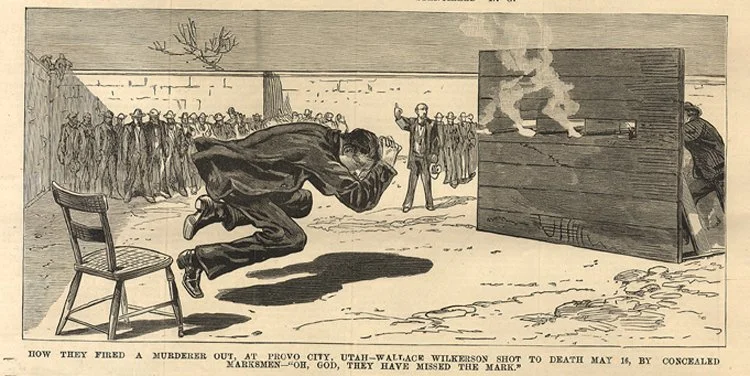
On November 22, 1877, Wallace Wilkerson was charged with premeditated murder for allegedly shooting and killing William Baxter. Wilkerson maintained his innocence, but was given the death sentence just two days after opening statements. Wilkerson was given the option to choose his method execution, with the options provided being decapitation, hanging, or firing squad. He chose the firing squad, but appealed to the Supreme Court of the Utah Territory the following year on the grounds that execution by firing squad was prohibited as a cruel and unusual punishment under the Eighth Amendment of the Constitution. The Utah court denied Wilkerson’s appeal, and the U.S. Supreme Court granted certiorari to review the constitutionality of the firing squad.
Unanimous decision for Utah
Bradley
Wilkerson
Utah
Harlan
Hunt
Clifford
Miller
Swayne
Strong
Waite
Field


Opinion of the Court
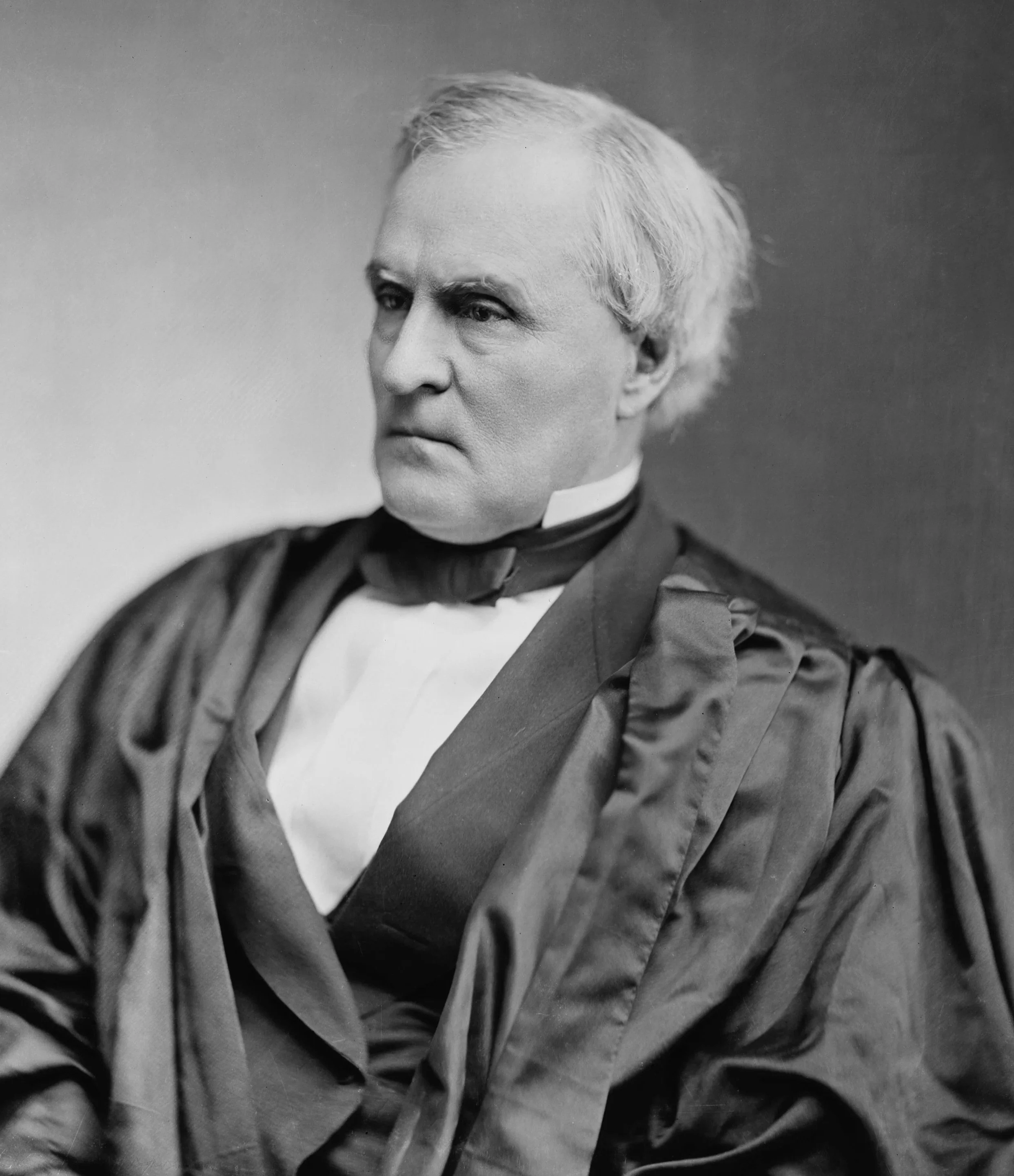
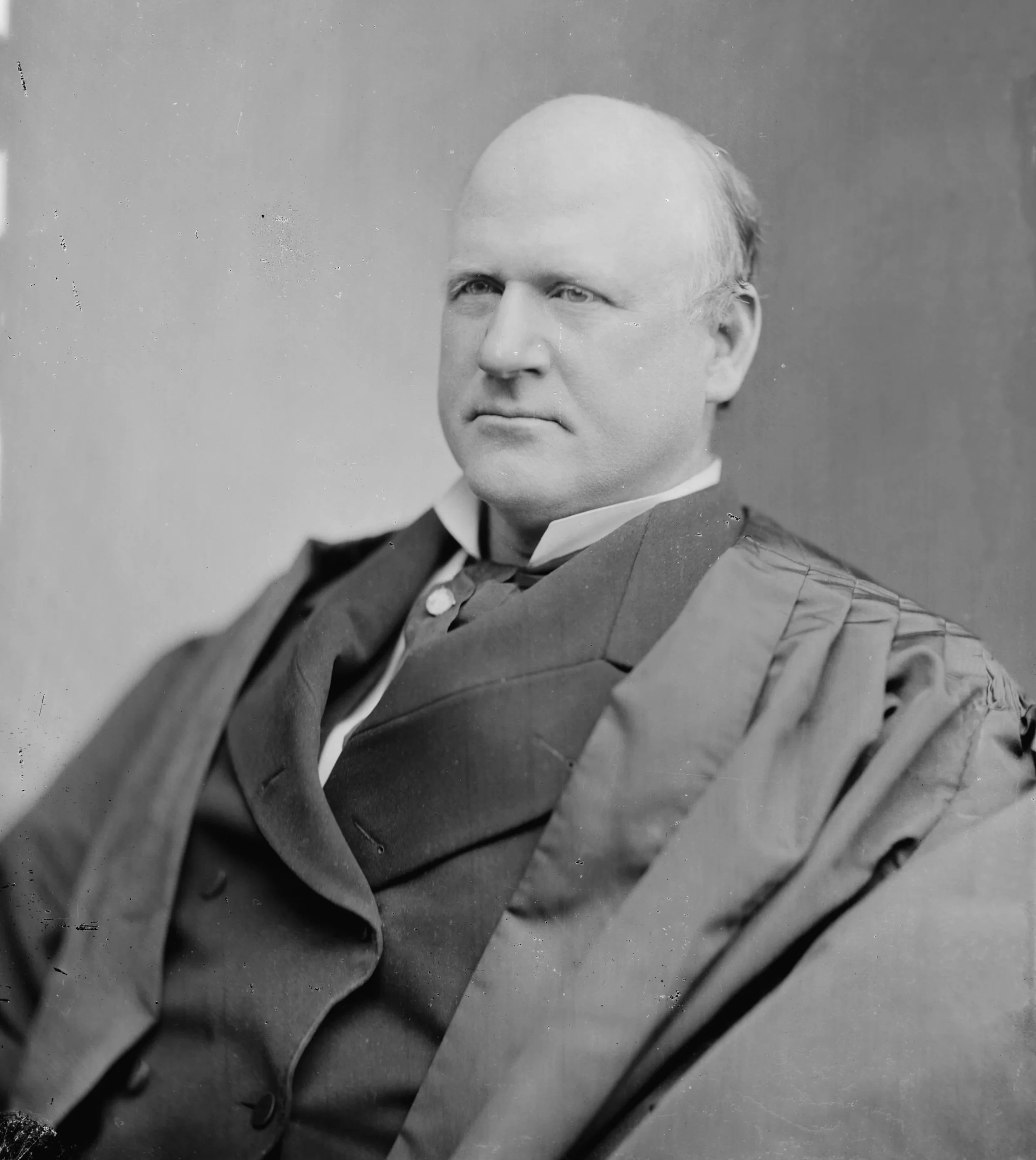
Writing for the Court, Justice Nathaniel Clifford held that a sentence of death by firing squad for the crime of first-degree murder did not constitute a “cruel and unusual” punishment under the Eighth Amendment of the Constitution. Clifford began by clarifying that while as a territory, Utah has broad legislative authority to define crimes and their punishments, their power is still limited by the U.S. Constitution. Clifford explained that the Eighth Amendment was intended to prohibit “punishments of torture” and those involving “unnecessary cruelty.” Clifford identified several traditional English common law punishments that would violate this standard, such as being embowelled alive, beheaded, quartered, or burned alive. However, he reasoned that execution by shooting did not fall into this category of atrocities. Clifford pointed to the “custom of war” and military practice, noting that soldiers convicted of capital military offenses were routinely sentenced to be shot, showing that the method was not inherently cruel or unusual. Ultimately, the Court affirmed the judgment against Wilkerson, finding that the punishment was consistent with the law and did not violate the Constitution’s protection against cruel and unusual punishment.