Tennessee Wine & Spirits
Retailers Association v. Thomas
Case Overview
CITATION
ARGUED ON
DECIDED ON
DECIDED BY
588 U.S. 504
Jan. 16, 2019
Jun. 26, 2019
Legal Issues
Does a Tennessee law imposing a two year residency requirement for retail licenses violate the Commerce Clause? Is the Tennessee law a valid exercise of the 21st Amendment’s grant of authority to States to regulate the sale of alcohol?
Holding
Yes, the residency requirement violates the Commerce Clause because it blatantly favored the State’s residents, and the requirement is not protected by the 21st Amendment because it has an insufficient connection to public health and safety.
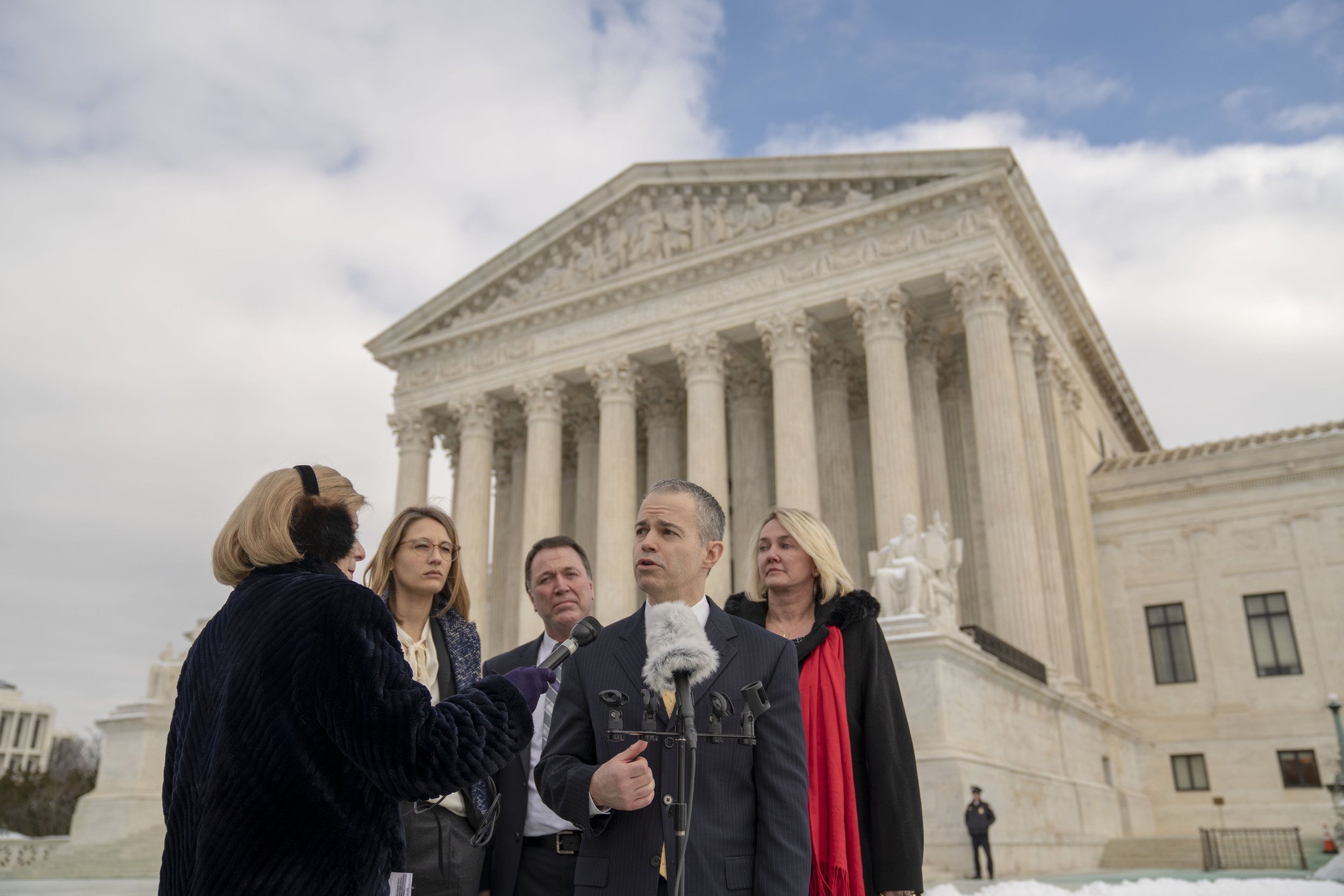
Doug and Mary Ketchum with their attorney, Michael Bindas, outside the Supreme Court | Credit: The Institute for Justice
Background
Tennessee law imposed a series of strict durational-residency requirements on all people and businesses applying to obtain a license to operate a liquor store in the State. To obtain an initial retail license, an individual was required to show that they had “been a bona fide resident” of the State for the previous two years.
Total Wine & More, seeking to open a location in Knoxville, Tennessee, and Doug and Mary Ketchum, the new owners of Kimbrough Wines & Spirits in Memphis, Tennessee applied to obtain initial retail licenses. A legal opinion from Tennessee Attorney General Herbert Slatery III advised against enforcement of the residency requirement, so the Tennessee Alcoholic Beverages Commission intended to approve the license applications.
The Tennessee Wine and Spirits Retailers Association, an organization representing nearly 500 liquor stores in the State, filed an action in the U.S. District Court for the Middle District of Tennessee to order enforcement of the residency requirement. Russell Thomas, the Director of the Tennessee Alcoholic Beverages Commission, refused to defend the residency requirement in accordance with the Attorney General’s opinion. The district court issued an injunction against the State, preventing enforcement of the residency requirement. The State declined to appeal, but the the Tennessee ABC chose to do so themselves. On appeal, the U.S. Court of Appeals for the Sixth Circuit found the residency requirement under the Commerce Clause. The Tennessee ABC again appealed, and the Supreme Court granted certiorari.
7 - 2 decision for the Association
Association


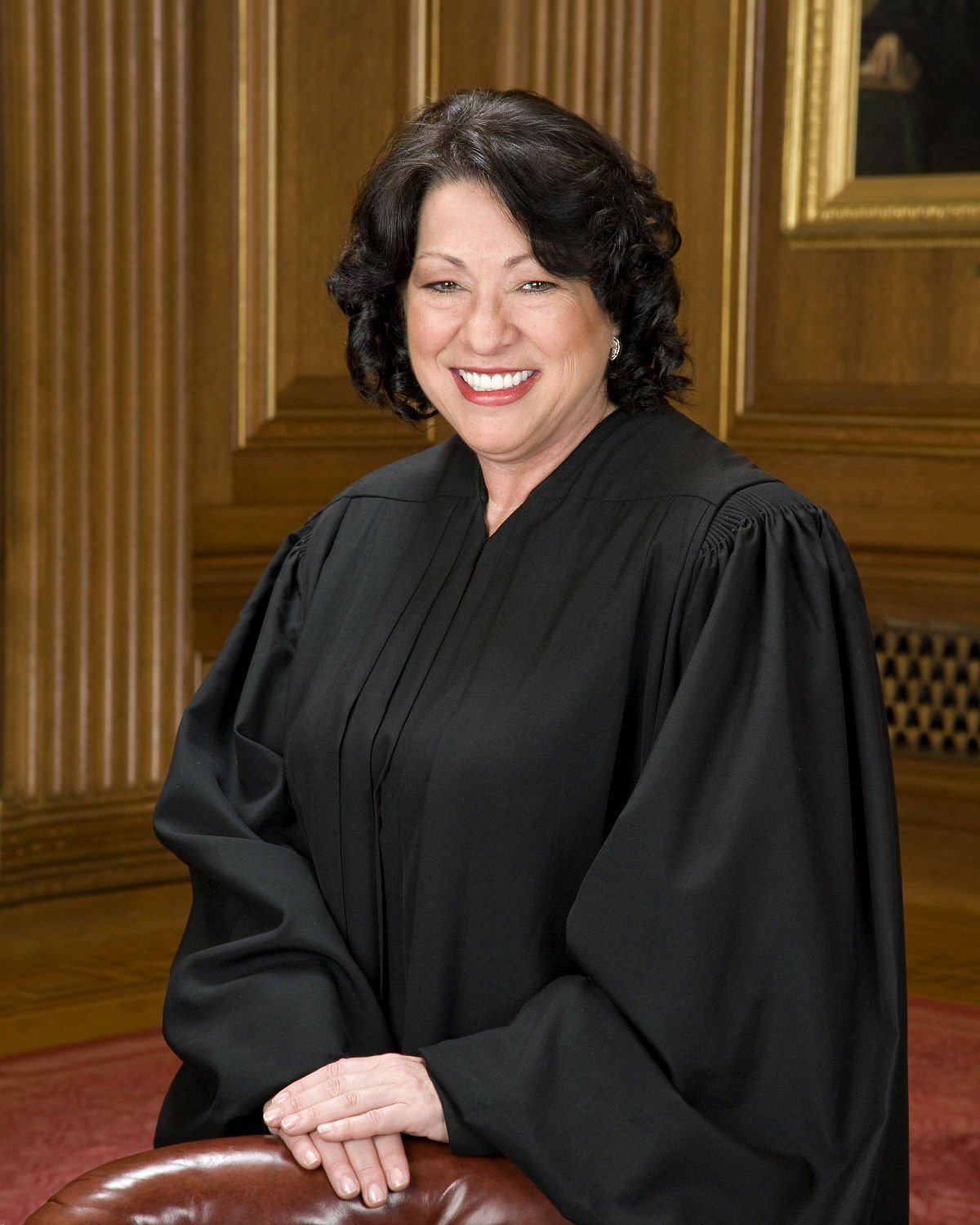


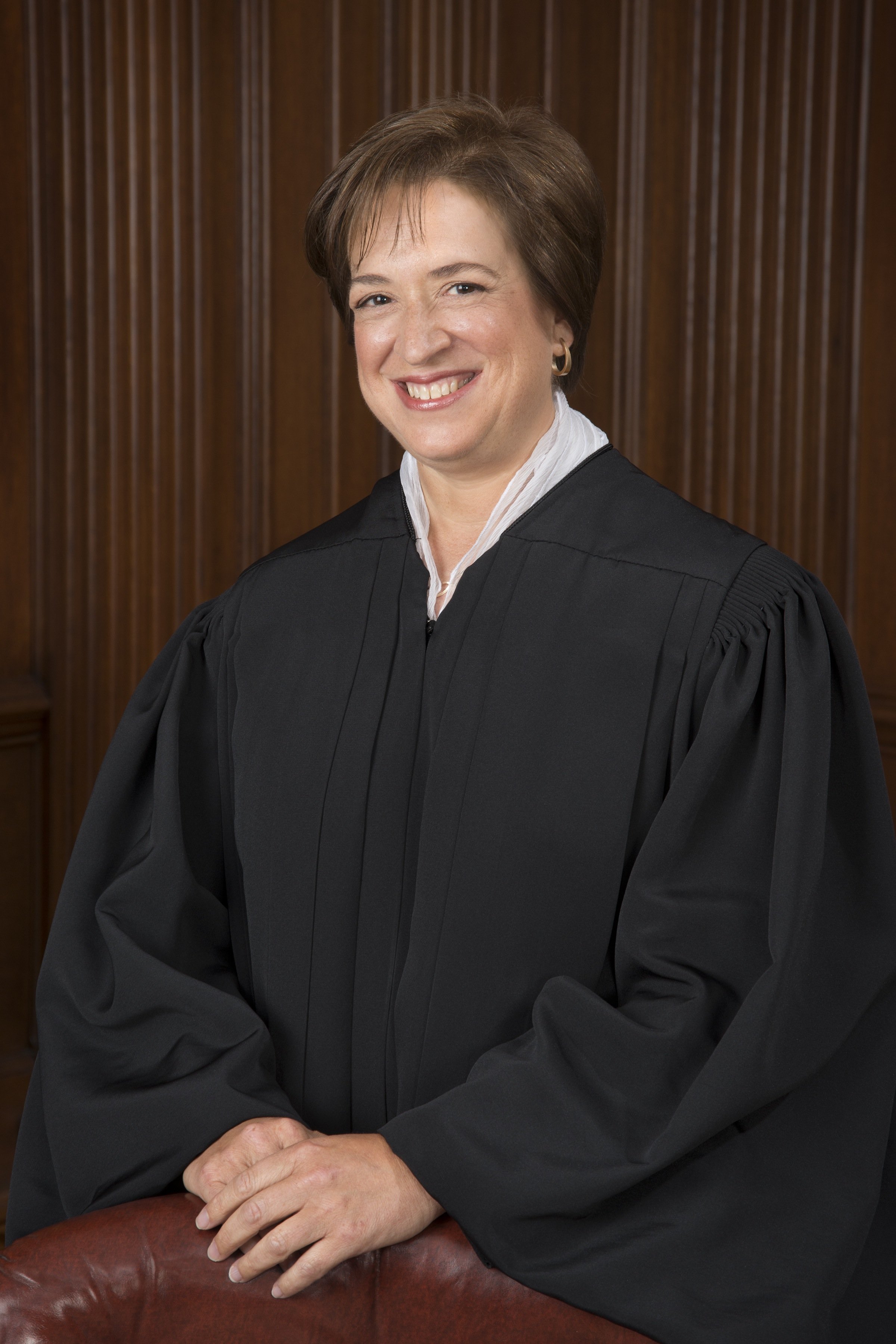
Thomas
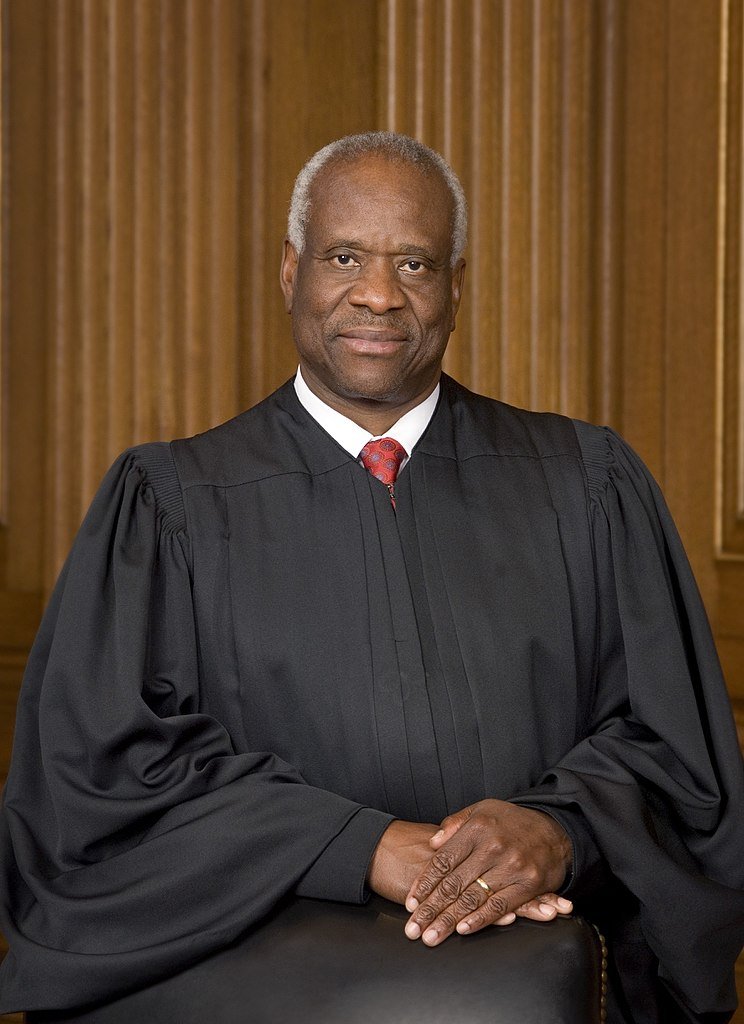

Roberts
Breyer
Gorsuch
Kavanaugh
Alito
Ginsburg
Thomas
Sotomayor
Kagan