Seila Law LLC v.
Consumer Financial Protection Bureau
Case Overview
CITATION
ARGUED ON
DECIDED ON
DECIDED BY
591 U.S. 197
Mar. 3, 2020
Jun. 29, 2020
Legal Issues
Does the structure of the Consumer Financial Protection Bureau, which allows leadership by a single individual to be removed only for inefficiency, neglect, or malfeasance, violate the separation of powers?
Holding
Yes, the CFPB’s leadership by a single individual removable only for inefficiency, neglect, or malfeasance violates the separation of powers.

Headquarters of the Consumer Financial Protection Bureau in Washington, D.C. | Credit: DCStockPhotography/Britannica
Background
In the wake of the 2008 financial crisis, Congress enacted the Dodd-Frank Wall Street Reform and Consumer Protection Act in 2010. The Act established the Consumer Financial Protection Bureau (CFPB), an independent regulatory agency that was granted extensive rulemaking, enforcement, and adjudicatory powers, including the authority to conduct investigations, issue subpoenas, and impose significant civil penalties. Unlike traditional independent agencies headed by multimember commissions, the CFPB was led by a single Director who serves a five-year term and can only be removed by the President for “inefficiency, neglect of duty, or malfeasance in office.” The agency receives also funding directly from the Federal Reserve rather than through the congressional appropriations process.
In 2017, the CFPB issued a civil investigative demand (essentially a subpoena) to Seila Law LLC, a California-based law firm that provides debt-related legal services. The CFPB was investigating whether the firm had engaged in unlawful acts regarding the advertising, marketing, or sale of debt relief services. Seila Law refused to comply with the demand, arguing that the CFPB’s structure, specifically its leadership by a single Director insulated from presidential removal, violated the Constitution's separation of powers. The CFPB filed a petition in the United States District Court for the Central District of California to enforce the demand. The district court rejected Seila Law’s argument and ordered them to comply. Seila appealed, but the Court of Appeals for the Ninth Circuit affirmed. The Supreme Court then granted certiorari.
5 - 4 decision for Seila
Seila



CFPB


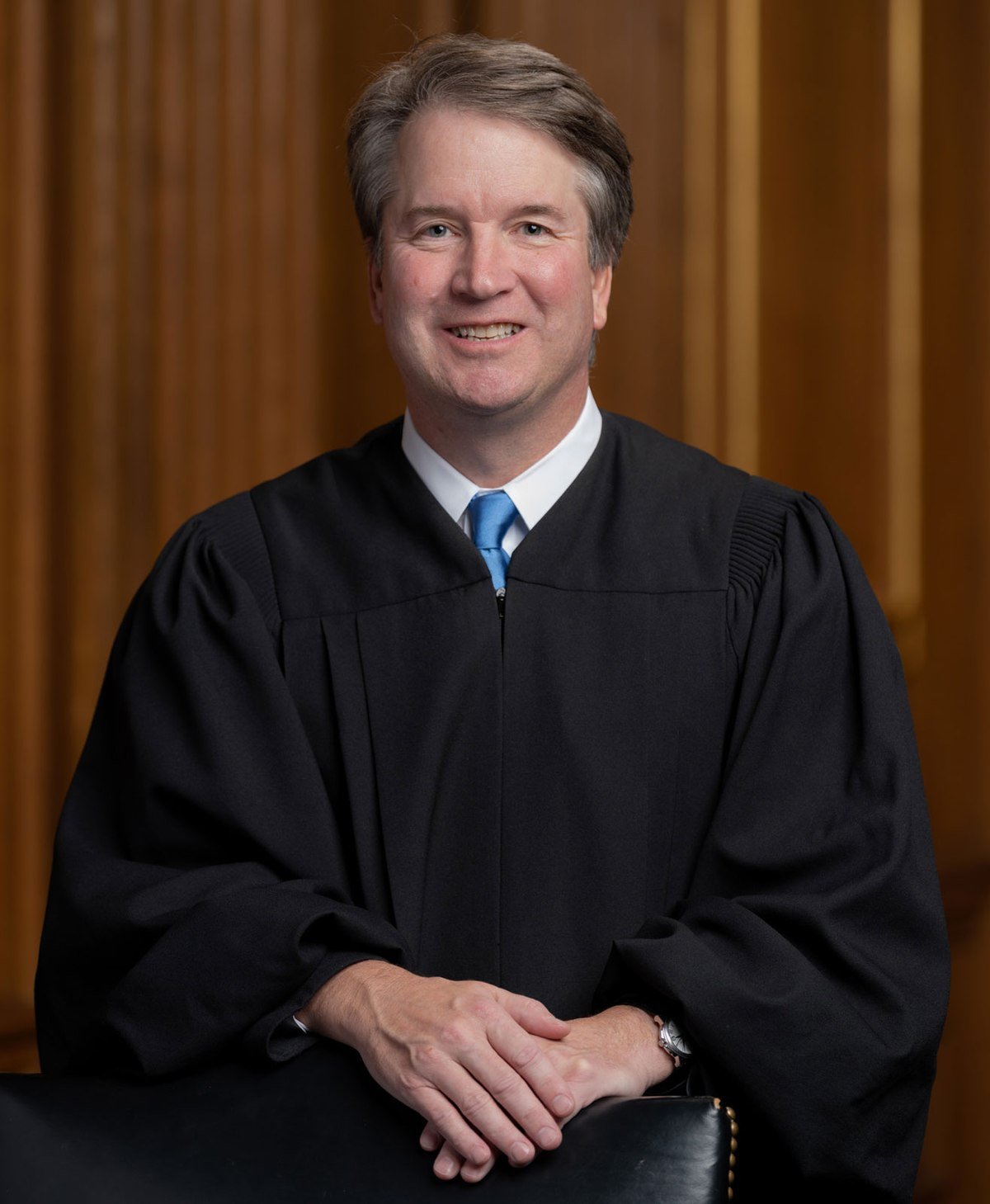
Kavanaugh

Ginsburg
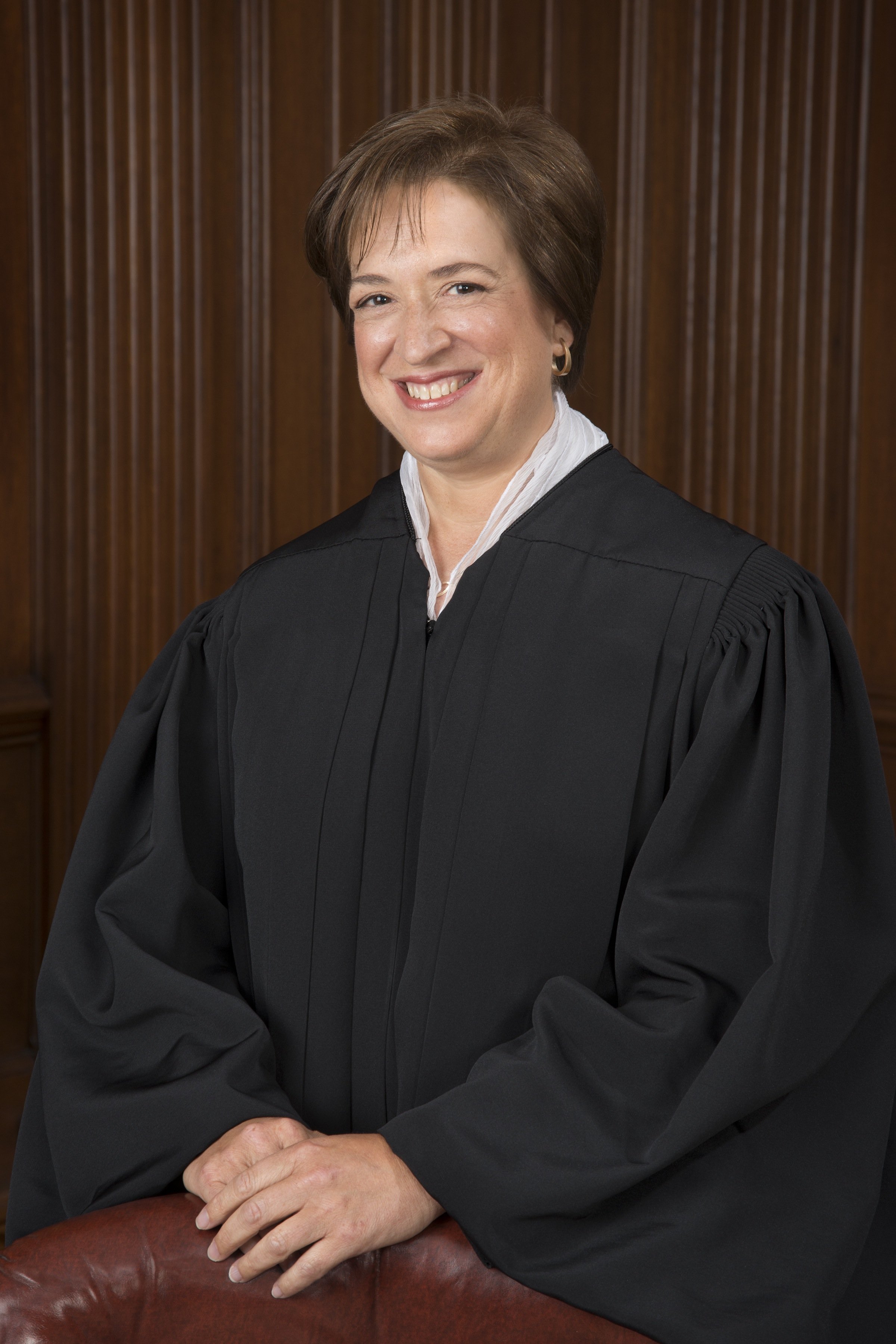
Kagan
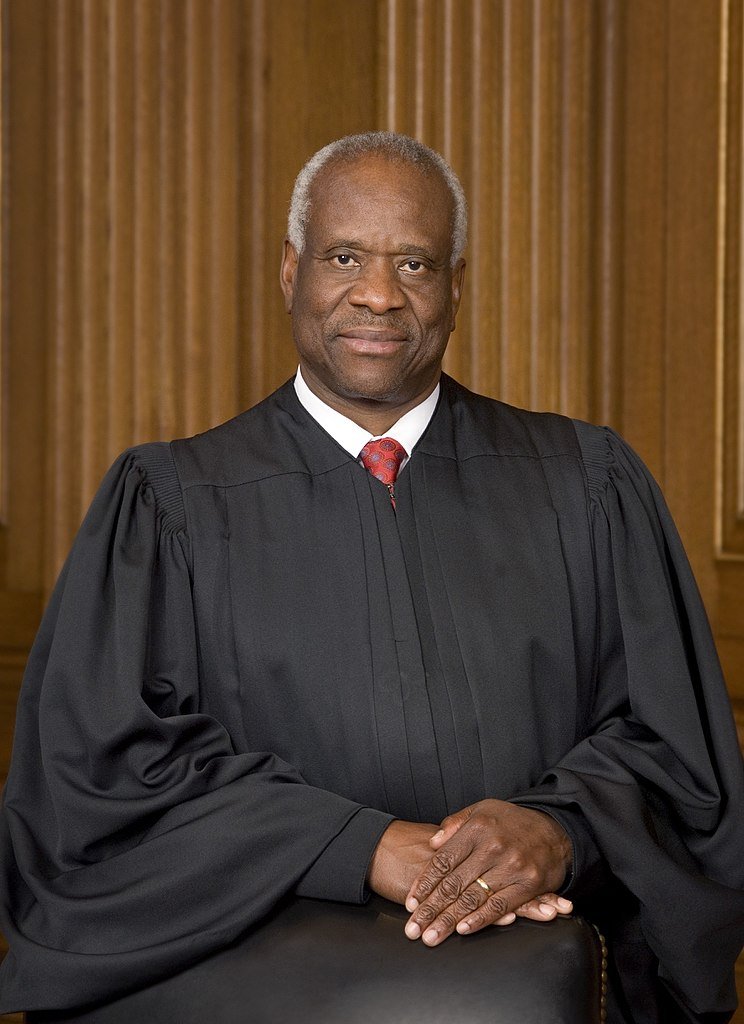
Thomas
Alito
Breyer
Roberts
Gorsuch
Sotomayor
-
Writing for the Court, Chief Justice John Roberts first affirmed that Article II of the Constitution vests the entire “executive Power” in the President, which generally includes the authority to remove those who assist him in carrying out his duties. Relying on the Court’s decision Myers v. United States (1926), Roberts established that the President’s inherent removal power is the rule, while exceptions are limited to the two scenarios previously upheld by the Court. Those include multimember expert agencies that don’t wield substantial executive power, as established in Humphrey’s Executor v. United States (1935), and inferior officers with limited duties, as established in Morrison v. Olson (1988). Roberts stated that the Court declined to extend these precedents to the “new situation” of the CFPB, an independent agency led by a single Director vested with significant executive power.
Roberts distinguished the CFPB from the agencies in Humphrey’s Executor and Morrison, finding that it didn’t fit within either exception. Unlike the Federal Trade Commission in Humphrey’s Executor, the CFPB is led by a single individual rather than a multimember board, which concentrates power and prevents the accumulation of diverse expert views. Unlike the independent counsel in Morrison, the CFPB Director principal officer with vast rulemaking, enforcement, and adjudicatory authority over a significant portion of the U.S. economy. Roberts emphasized that this single-Director structure lacks historical precedent and violates the constitutional structure by vesting significant governmental power in an individual who is neither elected by the people nor meaningfully controlled by the President. Roberts pointed out that the Director’s five year term also creates the possibility that a President could serve an entire term without getting an opportunity to meaningfully influence the CFPB, an executive department.
Ultimately, Roberts found that the unconstitutional removal restriction was severable from the rest of the Dodd-Frank Act. The Court held that the agency could continue to operate and perform its responsibilities, but the Director must be removable by the President at will.
-
In her dissenting opinion, Justice Elena Kagan argued that the text of the Constitution, the history of the country, and the precedents of the Court all support the conclusion that Congress has the authority to grant independence to regulatory agencies by limiting the President’s removal power. Kagan argued that the majority’s decision to strike down the for-cause removal provision for the CFPB Director wiped out a feature that Congress and the President deemed fundamental to the agency’s mission of protecting consumers from the financial practices that caused the Great Recession and could lead to another economic crisis in the future. Kagan asserted that the Constitution gives the political branches wide discretion to structure administrative institutions as times demand, given that the President retains the ability to carry out his constitutional duties. Kagan criticized the majority for inventing a “general rule” of unrestricted presidential removal power that appears nowhere in the Constitution’s text and is contradicted by a long tradition of independent financial regulators dating back to the founding era.
Regarding the specific structure of the CFPB, Kagan rejected the majority’s distinction between multimember commissions and single directors as having no basis in constitutional law or logic. Furthermore, she maintained that the for-cause removal standard, which allows removal for inefficiency, neglect of duty, or malfeasance, is a constitutionally permissible tool that preserves the President’s “meaningful control” to ensure the laws are faithfully executed, regardless of whether that standard applies to one person or a committee of people.
Kagan warned that the majority’s decision represents a “dogmatic” and “inflexible” approach to governance that second-guesses the wisdom of the political branches. By invalidating the CFPB’s independent structure based on a “newly discovered” constitutional principle against concentrating power in a single individual, Kagan argued that the Court was inappropriately substituting its own judgment for that of Congress.