Reno v. Condon
Key Principle
A federal regulation doesn’t violate federalism if it doesn’t require the States to regulate their own citizens in their sovereign capacity.
Case Overview
CITATION
ARGUED ON
DECIDED ON
DECIDED BY
528 U.S. 141
Nov. 10, 1999
Jan. 12, 2000
Legal Issue
Did Congress violate the Tenth Amendment by enacting the DPPA, which prohibits the States from selling personal information collected by DMVs?
Holding
No, the the DPPA is a proper exercise of Congress’ authority under the Commerce Clause and didn’t violate the principles of federalism because it doesn’t require a State to regulate its citizens its sovereign capacity.
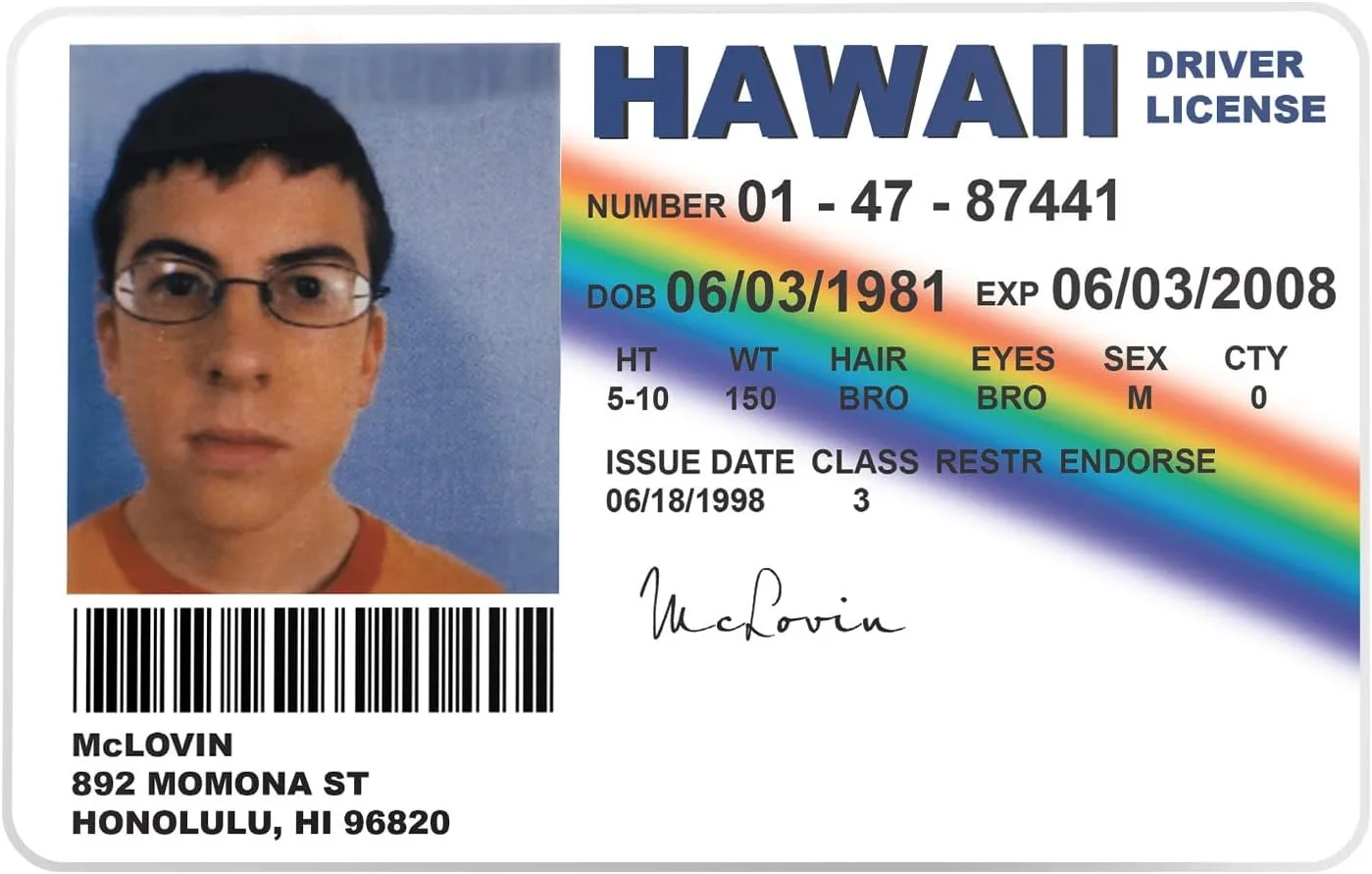
Driver’s License
Background
As a condition of obtaining a driver’s license or registering an automobile, State DMVs require drivers and automobile owners to provide personal information, such as a their name, address, phone number, vehicle description, Social Security number, medical information, and photograph. Many States sold this information, generating significant revenue.
In response, Congress enacted the Driver's Privacy Protection Act (DPPA) to regulate the disclosure and resale of personal information contained in the records of state DMVs. The DPPA established a regulatory scheme that restricts the States’ ability to disclose a driver’s personal information without the driver’s consent and prohibits any State DMV from “knowingly disclos[ing] or otherwise mak[ing] available to any person or entity personal information about any individual obtained by the department in connection with a motor vehicle record.” The DPPA also applies to private persons who obtained such information from a State DMV.
South Carolina law conflicts with the DPPA’s provisions. Under South Carolina law, the information contained in the State’s DMV records was available to anyone that filled out a form stating that it wouldn’t be used for solicitation. After the DPPA was enacted, then-South Carolina Attorney General Charlie Condon challenged the law in the U.S. District Court for the District of South Carolina on the grounds that it violated the Tenth and Eleventh Amendments of the Constitution. The district court granted summary judgment for Condon and permanently enjoined the enforcement of the DPPA against the State and its officers. On appeal, the U.S. Court of Appeals for the Fourth Circuit affirmed the district court’s ruling. U.S. Attorney General Janet Reno then petitioned to the Supreme Court for certiorari.
Unanimous decision for Reno
U.S.


Lopez



Rehnquist
Kennedy
Stevens
Breyer
Scalia
O’Connor
Ginsburg
Thomas
Souter