Reeves, Inc. v. William Stake
Case Overview
CITATION
ARGUED ON
DECIDED ON
DECIDED BY
447 U.S. 429
Apr. 16, 1980
Jun. 19, 1980
Legal Issues
Does a State law that limits the sale of a product to its own citizens during a time of shortage violate the Commerce Clause?
Holding
No, the Commerce Clause doesn’t prohibit a State from participating in the market and favoring its own citizens over those of other States.
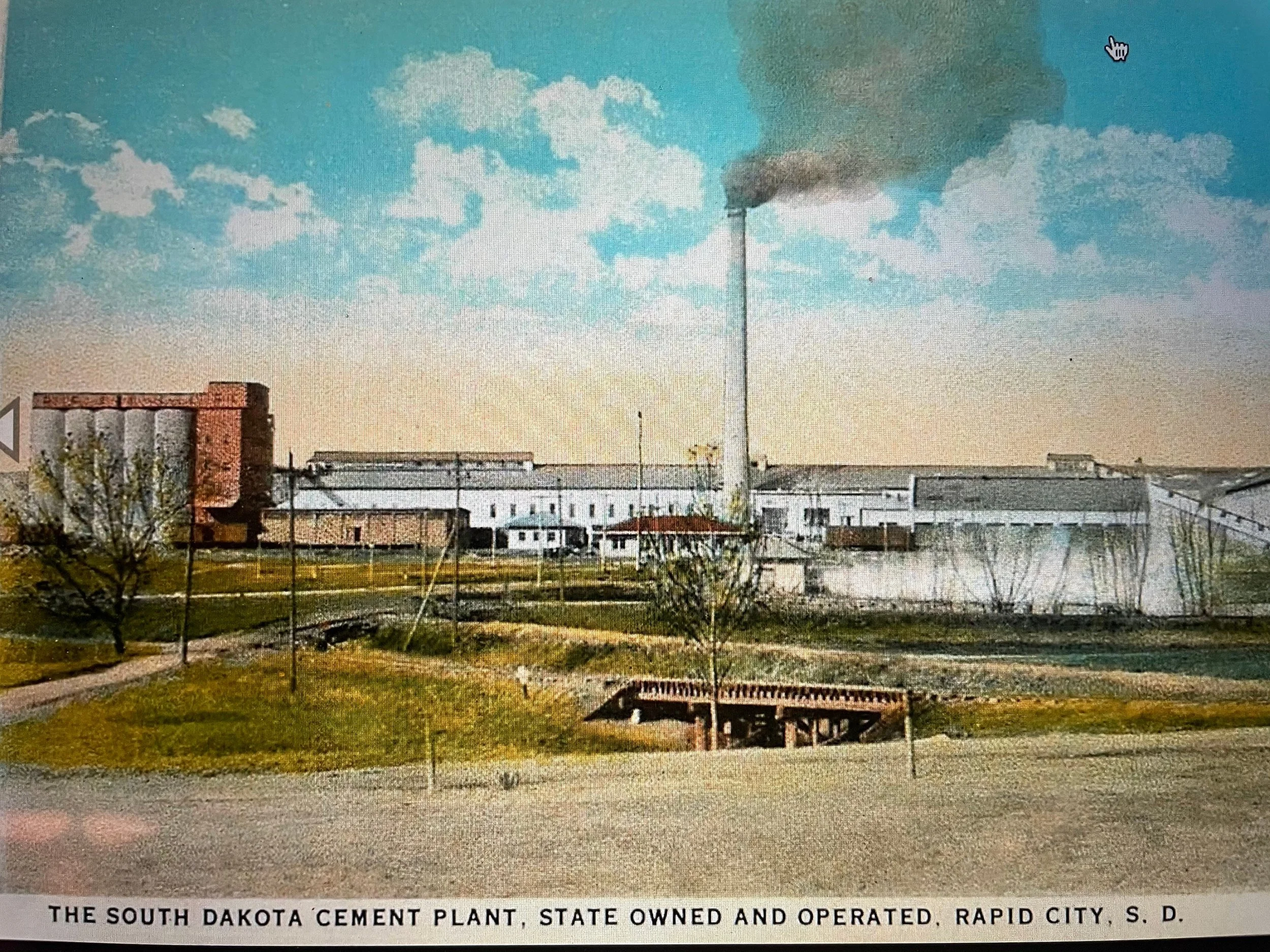
The South Dakota Cement Plant | Credit: The Upstate American
Background
In 1919, the State of South Dakota began construction of a cement plant, a project that was initiated in response to recent regional cement shortages that “interfered with and delayed both public and private enterprises,” and that were “threatening the people of this state.” In 1920, the South Dakota Cement Commission anticipated that the market within the State would be able to consume the entire output of the plant. However, the plant produced more cement that buyers in the State could use; between 1970-1977, approximately 40% of the plant’s output was sold outside of South Dakota to buyers in nine different states.
As the 1978 construction season approached, however, difficulties at the plant slowed production. Meanwhile, a booming construction industry spurred demand for cement both regionally and nationally. The plant found itself unable to meet all orders. Faced with the same type of cement shortage that led to the plant’s construction, the Commission “reaffirmed its policy of supplying all South Dakota customers first and to honor all contract commitments, with the remaining volume allocated on a first come, first served basis.”
Reeves, Inc., a ready-mix concrete distributor organized under Wyoming law with facilities in Wyoming, was an out-of-state customer of the South Dakota plant. Since Reeves opened in 1958, it purchased about 95% of its cement from the South Dakota plant (in 1977, its purchases amounted to $1,172,000). Since Reeves had no pre-existing long-term supply contract with the plant, he was unable to purchase cement from the plant and his trucks were turned away. Reeves was unable to find another supplier and forced to cut production by 76% within a month.
On July 19, 1978, Reeves sought injunctive relief against the Commission in the U.S. District Court for the District of South Dakota, challenging the plant’s policy of preferring South Dakota buyers. The district court granted the injunction, but that decision was reversed by the U.S. Circuit Court for the Eighth Circuit. The Supreme Court then granted certiorari.
5 - 4 decision for Stake
Reeves


Stake
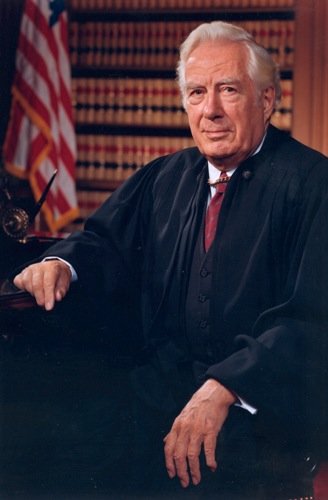


Burger
Rehnquist
Powell
Stevens
Stewart
Brennan
White
Marshall
Blackmun