Poe v. Ullman
Case Overview
CITATION
ARGUED ON
DECIDED ON
DECIDED BY
367 U.S. 497
Mar. 1-2, 1961
Jun. 19, 1961
Legal Issues
Can plaintiffs challenge a Connecticut law barring possession of birth control if it’s only enforcement was in one case over 20 prior?
Holding
No, Connecticut’s law barring possession of birth control was not ripe for constitutional challenge because the lack of enforcement meant it posed no real threat to plaintiffs.

New Haven, Connecticut | Credit: Iracaz (Wikipedia)
Background
Several plaintiffs represented under the pseudonym “Paul and Pauline Poe” challenged the constitutionality of two 1879 Connecticut statutes that prohibited the use of contraceptive devices and the dissemination of medical advice regarding their use. Included among the plaintiffs were a physician and multiple patients. The patients involved in the suit had experienced significant medical trauma, including multiple infants born with fatal congenital abnormalities and pregnancies resulting in critical physical illness and partial paralysis. Their doctor concluded that further pregnancies posed a grave threat to their lives and physical health. Despite these medical concerns, the plaintiffs were unable to obtain contraceptive information because the defendant State’s Attorney intended to prosecute such actions as offenses under Connecticut law. At the time the suit was brought before the U.S. Supreme Court, the law had been on the books for over 80 years but had only been cited once in a 1940 prosecution, and contraceptives were reportedly sold openly in local drug stores across the state.
5 - 4 decision for Ullman
Poe


Ullman

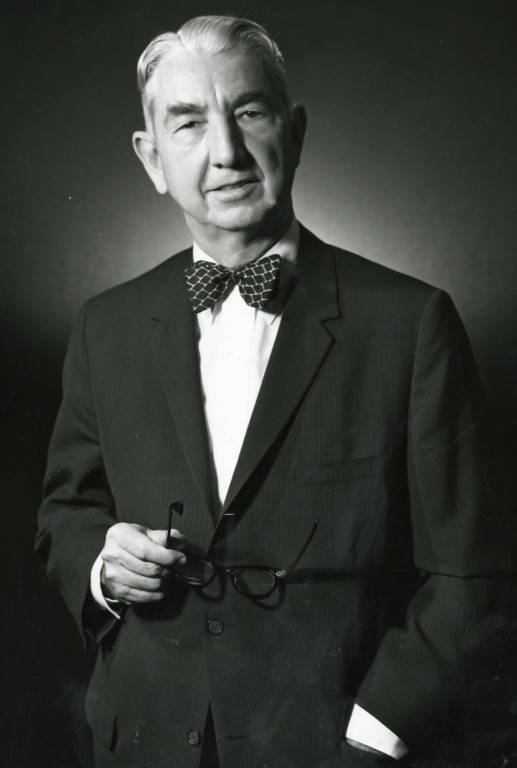


Frankfurter
Warren
Brennan
Clark
Whittaker
Harlan II
Douglas
Black
Stewart
-
Writing for the Court, Justice Felix Frankfurter held that the constitutional challenge to the Connecticut statutes prohibiting the use of contraceptive devices wasn’t ripe for judicial review. Frankfurter began by establishing that the mere existence of a state penal statute is insufficient to support a federal court’s review of its constitutionality if a real threat of enforcement is lacking. Frankfurter argued that the Court shouldn’t act as an umpire to debates concerning “harmless, empty shadows” and must instead focus on controversies with the immediacy required for constitutional review.
Frankfurter added that while the law had been in effect since 1879, there had been no recorded prosecutions for the distribution or use of contraceptive devices, despite their common and notorious sale in drug stores within the state. Frankfurter argued that this lack of enforcement deprived the controversy of the necessary urgency, suggesting that the state had no current intention to prosecute the appellants. Frankfurter emphasized that the “harmless” nature of the present situation meant that the Court didn’t need to intervene to protect the appellants from any immediate hazards of prosecution.
-
In his dissenting opinion, Justice William Douglas stated that “[i]f there is a case where the need for this remedy in the shadow of a criminal prosecution is shown, it is this one.” Douglas began by establishing that the case was not a mere debate over “harmless, empty shadows,” as the majority suggested, but an important controversy involving people whose lives were being gravely jeopardized by the state’s prohibition on contraceptive medical advice.
Douglas posited, “[w]hat are these people—doctor and patients—to do? Flout the law and go to prison? Violate the law surreptitiously and hope they will not get caught? By today’s decision we leave them no other alternatives. It is not the choice they need have under the regime of the declaratory judgment and our constitutional system. It is not the choice worthy of a civilized society. A sick wife, a concerned husband, a conscientious doctor seek a dignified, discrete, orderly answer to the critical problem confronting them. We should not turn them away and make them flout the law and get arrested to have their constitutional rights determined. They are entitled to an answer to their predicament here and now.”