Murphy v. NCAA
Case Overview
CITATION
ARGUED ON
DECIDED ON
DECIDED BY
584 U.S. 453
Dec. 4, 2017
May 14, 2018
Legal Issues
Does PASPA, a law enacted by Congress prohibiting States from authorizing of gambling, exceed its authority and violate Tenth Amendment?
Holding
Yes, Congress exceeded its authority in enacting PASPA because the law violated the anticomandeering principle of the Tenth Amendment.

DraftKings Advertisement | Credit: Britannica
Background
In the early 1990s, opponents of sports gambling lobbied Congress to enact the Professional and Amateur Sports Protection Act of 1992 (PASPA) to slow the growing trend of States legalizing the practice. PASPA does not make sports gambling a federal crime, but it allows the Attorney General and professional and amateur sports organizations to bring civil actions to enjoin violations of the Act. PASPA’s most important provision provide:
§3702(1): makes it “unlawful” for a State “to sponsor, operate, advertise, promote, license, or authorize by law or compact . . . a lottery, sweepstakes, or other betting, gambling, or wagering scheme based . . . on” competitive sporting events.
§3702(2): makes it “unlawful” for “a person to sponsor, operate, advertise, or promote” such gambling schemes, but only if done “pursuant to the law or compact of a governmental entity.”
PASPA contained “grandfather” provisions allowing jurisdictions that previously legalized sports gambling to continue. Another provision gave the State of New Jersey the option of legalizing sports gambling in Atlantic City, but only if it did so within one year of the law’s enactment. New Jersey didn’t take advantage of this special option, so it expired.
In 2011, New Jersey voters approved an amendment to the State Constitution allowing the state legislature to authorize sports gambling. The state legislature subsequently enacted the Sports Wagering Act of 2012, legalizing sports gambling in New Jersey. In response, major professional sports leagues and the NCAA brought an action in the U.S. District Court for the District of New Jersey to enjoin the 2012 Act, arguing that it violated PASPA. The district court granted the injunction against the 2012 Act, and a three-judge panel for the U.S. Court of Appeals for the Third Circuit affirmed the decision.
The state legislature later enacted the New Jersey 2014 Gambling Act, which explicitly declared that it’ doesn’t empower the State to authorize, license, sponsor, operate, advertise, or promote sports gambling. Rather, the 2014 Act was framed as only repealing of provisions of State law that prohibited sports gambling concerning the “placement and acceptance of wagers” on sporting events by those 21 years or older at horseracing tracks, casinos, or gambling houses in Atlantic City. The new law also specified that the repeal was effective only for wagers on sporting events not involving a New Jersey college team or a collegiate event taking place in the State. The same groups that challenged the 2012 Act challenged the 2014 Act in the U.S. District Court for the District of New Jersey. The district court again issued an injunction against the State, finding that its repeal of gambling prohibitions amounted to an authorization of the practice. Sitting en banc, the U.S. Court of Appeals for the Third Circuit affirmed. The Supreme Court then granted certiorari.
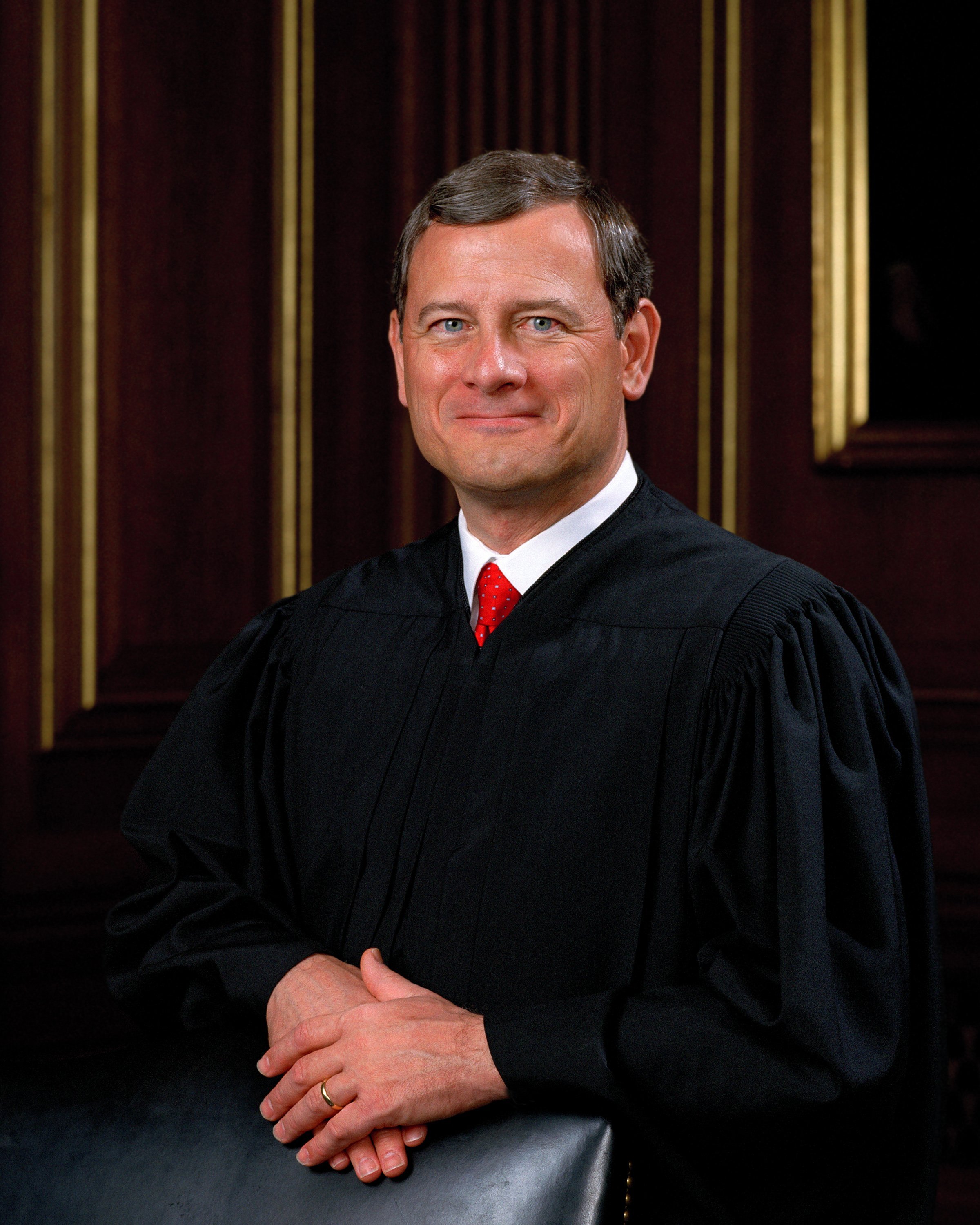
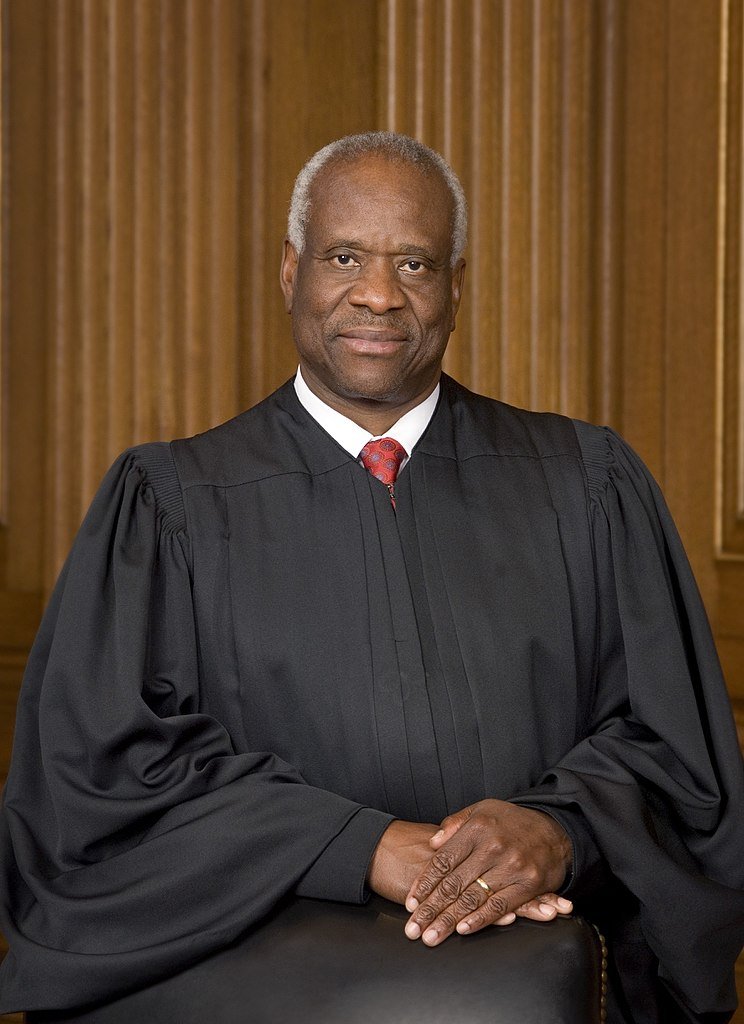
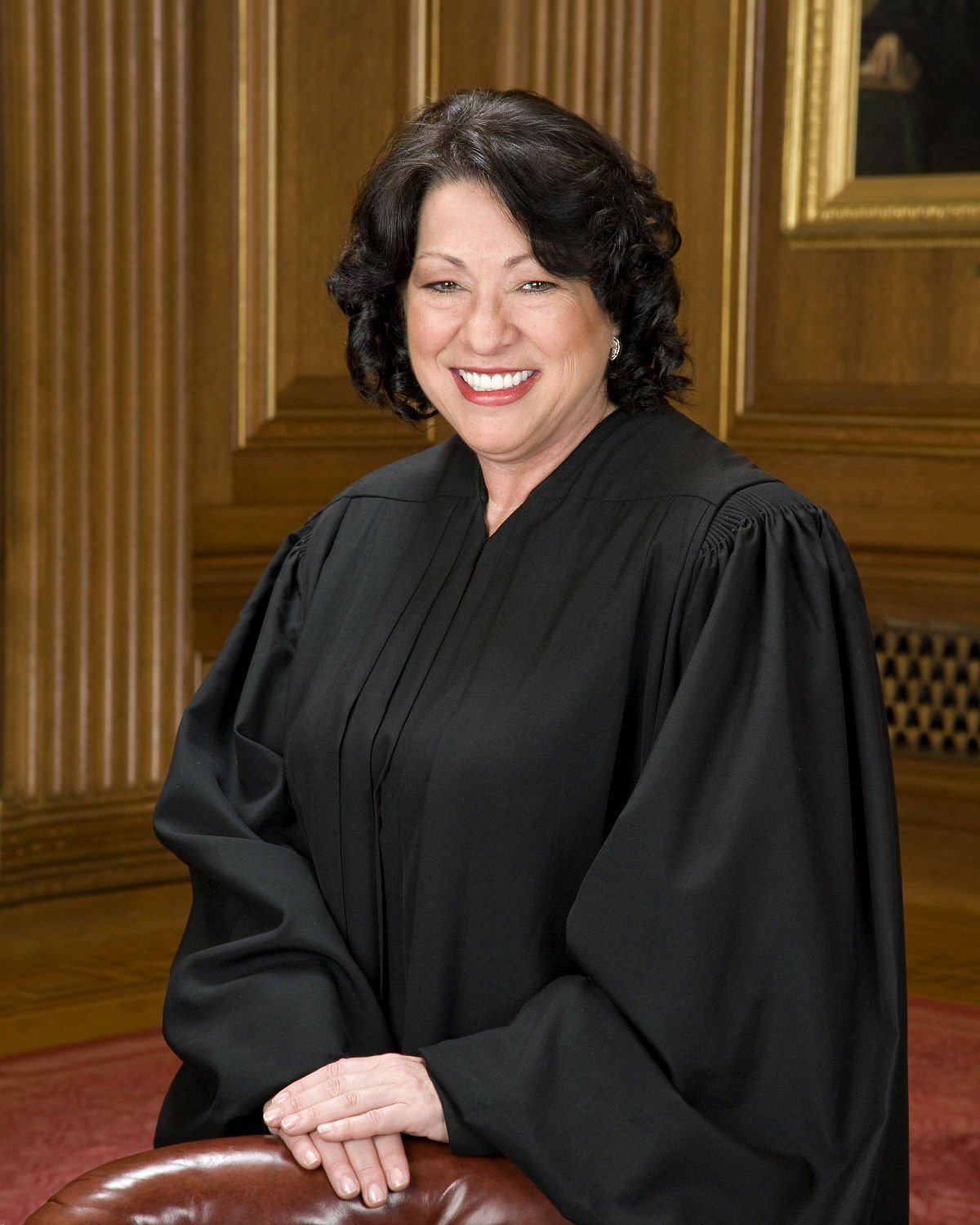
7 - 2 decision for Murphy
Murphy


NCAA

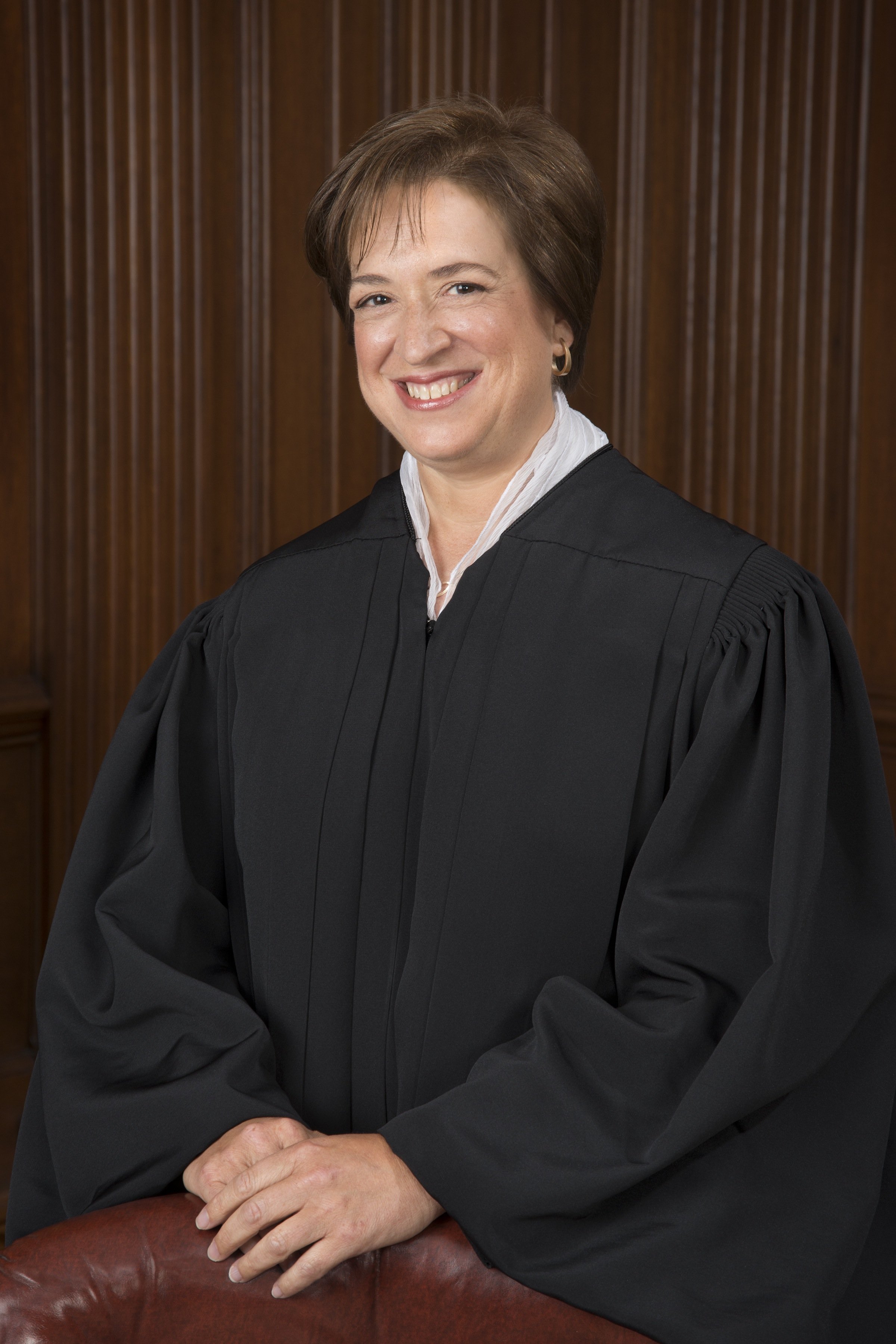
Kagan
Kennedy
Roberts
Breyer
Alito
Gorsuch
Ginsburg
Thomas
Sotomayor