Martin v. Hunter’s Lessee
Case Overview
CITATION
ARGUED ON
DECIDED ON
DECIDED BY
14 U.S. 304
Mar. 12, 1816
Mar. 20, 1816
Legal Issues
Does the Supreme Court have the authority to review state court decisions involving claims that arise under the laws of the United States?
Holding
Yes, the Supreme Court has the authority to review state court decisions involving claims that arise under the laws of the United States.
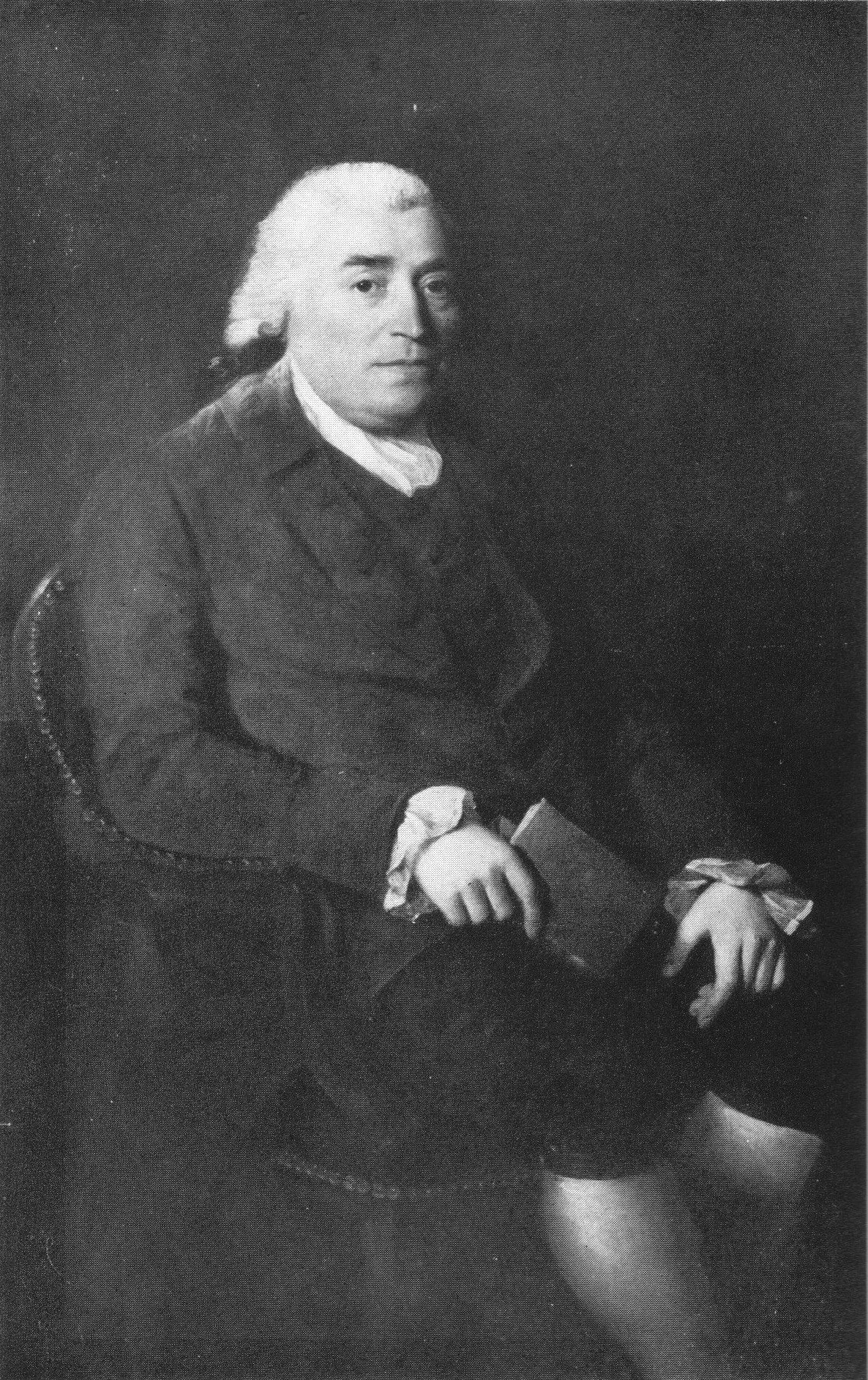
Portrait of Lord Fairfax | Credit: Unidentified Painter - Ted Pulliam, Historic Alexandria: An Illustrated History (Public Domain)
Background
During the Revolutionary War, Virginia passed a law allowing them to confiscate the property of Loyalists. Land owned by a Loyalist, Martin, was confiscated and transferred to David Hunter. After the war ended, the United States and Great Britain entered into Treaty of Paris, which protected the right of British citizens to own land in the United States and nullified previous confiscations.
Martin claimed title to land based on his inheritance from a Lord Fairfax, a British citizen who owned the property. Hunter, however, claimed Virginia had taken the land before the treaty went into effect. The Virginia Supreme Court held that the Treaty of Paris didn’t apply to the dispute between Martin and Hunter, therefore upholding the confiscation. In Fairfax’s Devisee v. Hunter’s Lessee, the U.S. Supreme Court ruled that the Treaty of Paris did apply to the case and remanded it to the Virginia Supreme Court. The Virginia Supreme Court then ruled that the U.S. Supreme Court lacks authority over cases originating in state courts.
Summary
Unanimous decision for Martin
Martin

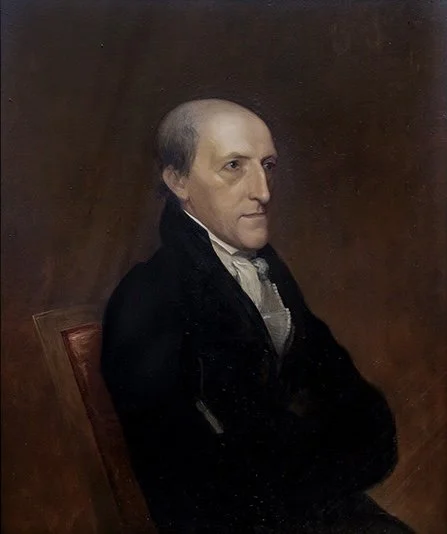


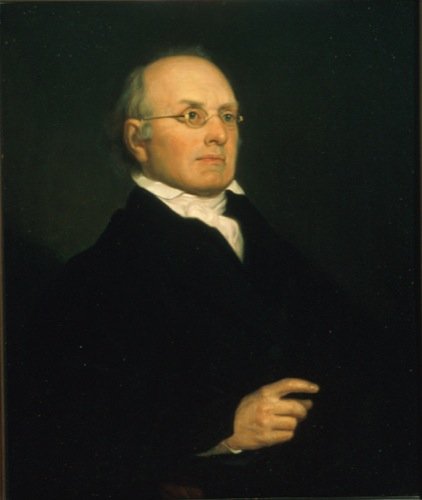
Hunter’s Lessee
Duvall
Johnson
Todd
Washington
Livingston
* Chief Justice Marshalll took no part in the consideration or decision of this case.

Story