Heart of Atlanta Motel, Inc.
v. United States
Case Overview
CITATION
ARGUED ON
DECIDED ON
DECIDED BY
379 U.S. 241
Oct. 5, 1964
Dec. 14, 1964
Legal Issues
Does the Commerce Clause grant Congress the authority to prohibit racial discrimination in the use and access of public accommodations?
Holding
Yes, Congress may prohibit racial discrimination in public accommodations under the authority granted to them by the Commerce Clause.
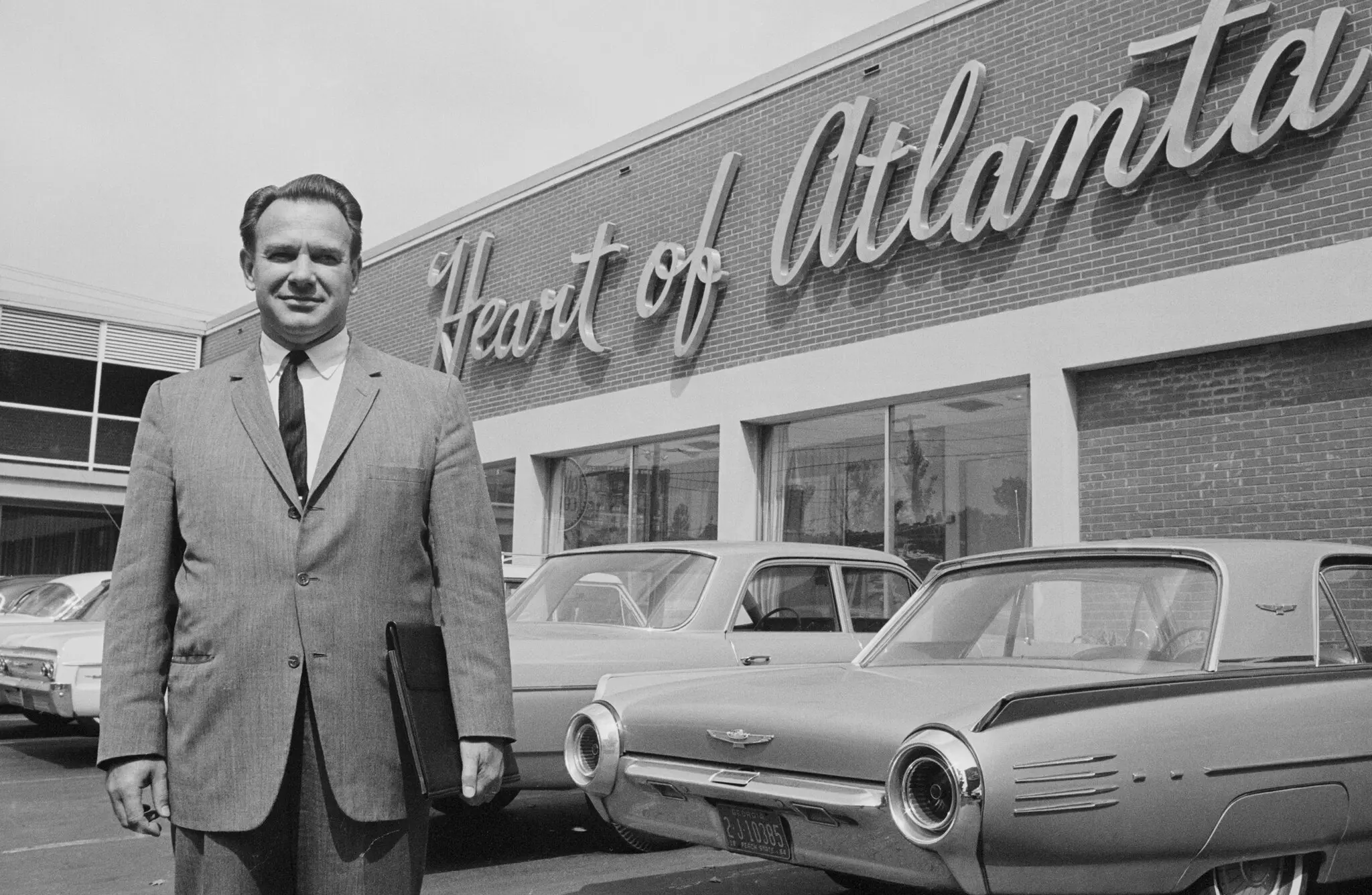
Moreton Rolleston Jr., the owner of the the Heart of Atlanta Motel | Credit: Bettmann Archive/Getty Images
Background
During the Civil Rights Movement, Congress enacted the Civil Rights Act of 1964. Title II of the Act aimed to prohibit racial discrimination in public accommodations, and the relevant part of Title IIreads as follows:
All persons shall be entitled to the full and equal enjoyment of the goods, services, facilities, privileges, advantages, and accommodations of any place of public accommodation, as defined in this section, without discrimination on the ground of race, color, religion, or national origin.
Moreton Rolleston owned and operated the Heart of Atlanta Motel, which was located near two interstate highways and two state highways. The Motel had 216 rooms available for traveling guests, and approximately 75% of its guests came from outside the State of Georgia. Rolleston refused to allow black people to reserve or rent a room at his Motel, a direct violation of Title II of the Civil Rights Act of 1964.
Unanimous decision for the United States
Motel
United States



Black
Warren
Clark
Harlan II
Douglas
Goldberg
White
Brennan
Stewart
-
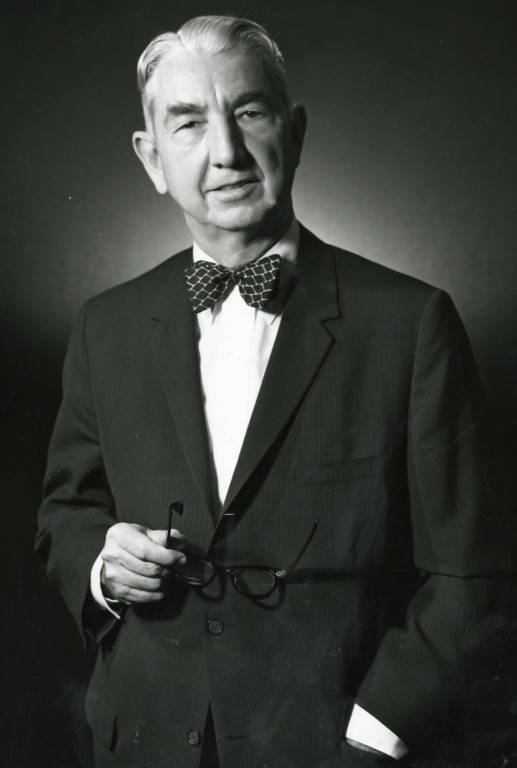
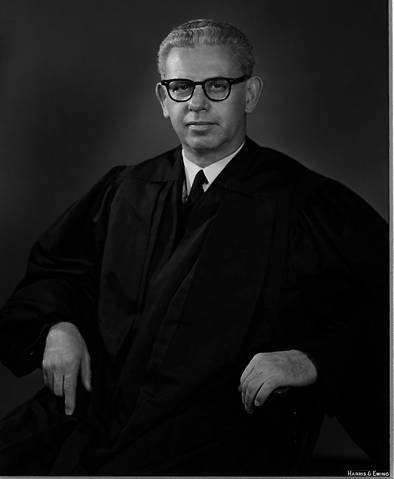
Writing for the Court, Justice Tom C. Clark first examined the legislative history of the Civil Rights Act of 1964 to determine whether they had the constitutional authority to enact it. Clark found that the record of the Act’s passage through Congress “is replete with evidence of the burdens that discrimination by race or color places upon interstate commerce.”
Clark then pointed out that in recent decades, the Court upheld Congress’ authority under the Commerce Clause to regulate a number of other areas, such as gambling, deceptive trade practices, and fraudulent sales. He noted that the same interest in protecting interstate commerce that led Congress to enact such laws underpinned their enactment of the Civil Rights Act to tackle the issue of segregation.
Clark stated that the fact that Congress’ motives were to address moral wrongs render those laws “no less valid”, and the same applies to their passage of the Civil Rights Act. He explained, “that fact does not detract from the overwhelming evidence of the disruptive effect that racial discrimination has had on commercial intercourse. It was this burden which empowered Congress to enact appropriate legislation, and, given this basis for the exercise of its power, Congress was not restricted by the fact that the particular obstruction to interstate commerce with which it was dealing was also deemed a moral and social wrong.
Clark responded to the argument that the Motel was local in character and thus outside of Congress’ reach under the Commerce Clause, quoting the Court’s holding in United States v. Women's Sportswear Mfrs. Assn. (1949) to state that even if such a claim were true, “[i]f it is interstate commerce that feels the pinch, it does not matter how local the operation which applies the squeeze.”
Responding also to the argument that Congress could’ve pursued less intrusive means to accomplish its goals under the Act, Clark affirmed that this is purely a political question that should be left to the political branches, not the judiciary. He wrote, “[h]ow obstructions in commerce may be removed—what means are to be employed—is within the sound and exclusive discretion of the Congress. It is subject only to one caveat—that the means chosen by it must be reasonably adapted to the end permitted by the Constitution.” Ultimately, Clark concluded that the Act was constitutional under Congress’ power granted to it by the Commerce Clause.
-
In his concurring opinion, Justice William Douglas stated that while he agrees with the Court’s holding, he is reluctant to base it entirely on Congress’ authority under the Commerce Clause. Douglas explained that the right of people to be free from state action that discriminates against them on account of their race “occupies a more protective position in our constitutional system” than does the regulation of cattle or goods sold in commerce. Instead, Douglas argued that the Court should’ve rested it on §5 of the Fourteenth Amendment rather than the Commerce Clause, explaining that “the former deals with the constitutional status of the individual not with the impact on commerce of local activities or vice versa.”
Douglas concluded, writing that “[a] decision based on the Fourteenth Amendment would have a more settling effect, making unnecessary litigation over whether a particular restaurant or inn is within the commerce definitions of the Act or whether a particular customer is an interstate traveler. Under my construction, the Act would apply to all customers in all the enumerated places of public accommodation. And that construction would put an end to all obstructionist strategies and finally close one door on a bitter chapter in American history.”