Florida Lime & Avocado Growers, Inc. v. Paul
Case Overview
CITATION
ARGUED ON
DECIDED ON
DECIDED BY
373 U.S. 132
Jan. 8, 1963
May 13, 1963
Legal Issues
Does California’s avocado regulation, which excludes from California markets avocados that satisfy federal standards but not the State’s, violate the Supremacy Clause or Equal Protection Clause of the Constitution?
Holding
Yes, Congress may prohibit racial discrimination from restaurants participating in interstate commerce under the authority granted to them by the Commerce Clause.
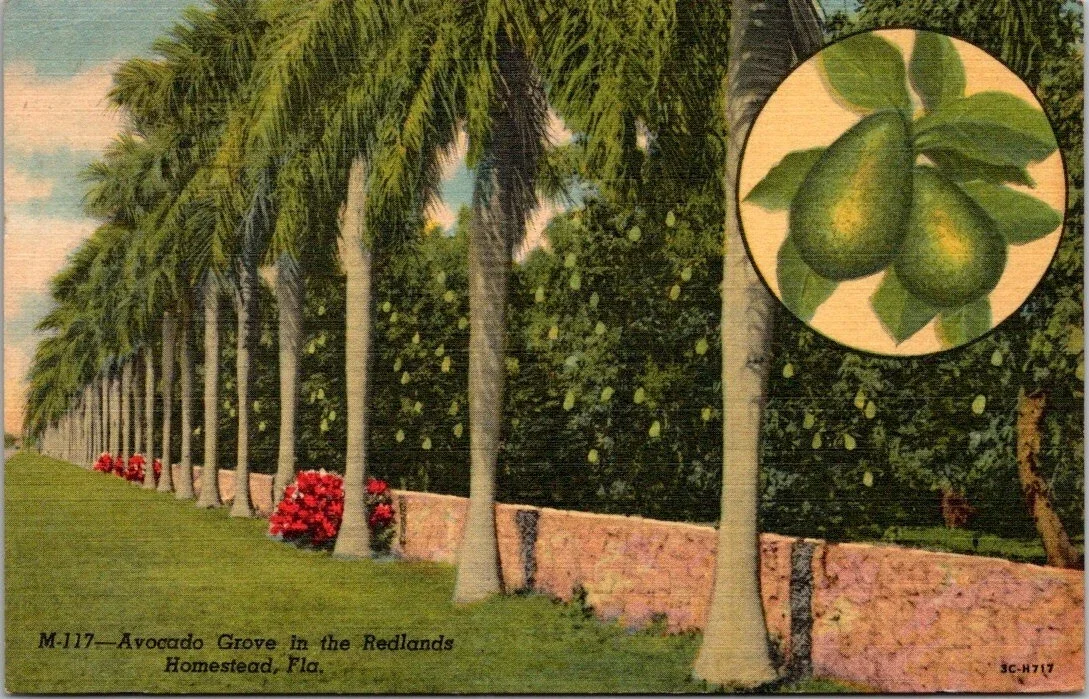
Postcard of an avocado grove in Hialeah, Florida | Credit: Source
Background
Section 792 of California’s Agricultural Code gauged the maturity of avocados by oil content and prohibited the transportation or sale in California of avocados containing less than 8% of oil (measured by its weight excluding the skin and seed). In contrast, federal marketing orders approved by the Secretary of Agriculture use standards that don’t consider oil content when gauging the maturity of avocados grown in Florida.
The Florida Lime & Avocado Growers, filed suit in the U.S. District Court for the Northern District of California to prevent the enforcement of § 792 against Florida avocados certified as mature under the federal standards. The constitutionality of California’s regulation was challenged on three grounds: 1) under the Supremacy Clause, the regulation was displaced by the federal standard for determining the maturity of avocados grown in Florida; 2) application of the regulation to Florida-grown avocados denied them Equal Protection of the laws in violation of the Fourteenth Amendment; 3) its application unreasonably burdened or discriminated interstate marketing of Florida-grown avocados in violation of the Commerce Clause. A three-judge panel of district court judges initially dismissed the complaint, but the Supreme Court remanded the case to be tried on its merits. After a trial, the panel again denied an injunction against the enforcement of § 792. Under federal law at the time, decisions made by such panels were directly appealable to the Supreme Court, so the case wasn’t reviewed by the U.S. Court of Appeals for the Ninth Circuit.
5 - 4 decision for Paul
Florida


Paul


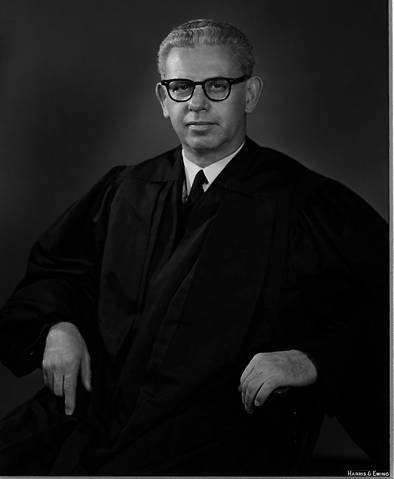

Black
Warren
Harlan II
Goldberg
Clark
Douglas
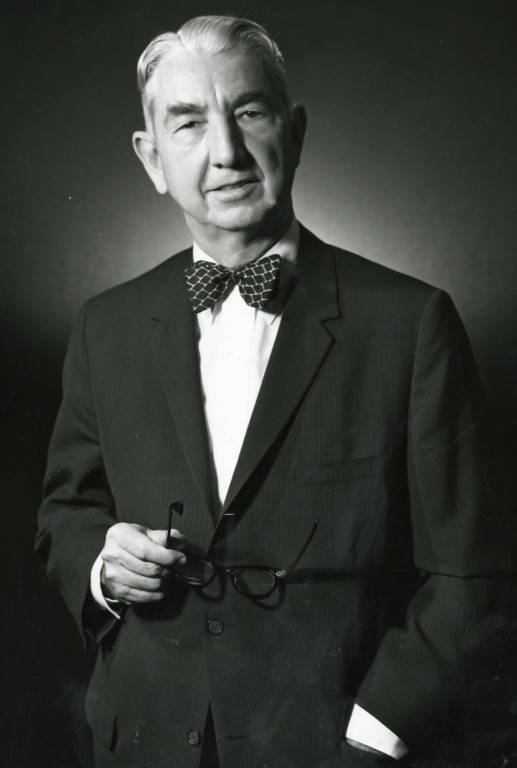

White
Brennan
Stewart