Dred Scott v. Sanford
Case Overview
CITATION
60 U.S. 393 (1857)
ARGUED ON
Feb. 11-14, 1856
DECIDED ON
REARGUED ON
DECIDED BY
OVERTURNED BY
Dec. 15-18, 1857
Mar. 6, 1857
Legal Issue
Was Dred Scott a citizen of the United States with standing to sue in federal court?
Holding
No, Scott did not have standing to sue in federal court because he was not a citizen of the United States.

A newspaper article written about Dred Scott and his family in 1857 | Credit: The Library of Congress
Background
Dred Scott was born into slavery in Virginia around 1899. In 1818, Scott moved with his owner, Peter Blow, to a farm in Alabama. In 1830, Blow gave up farming and settled in Missouri. Scott was then sold to U.S. Army surgeon Dr. John Emerson, who lived in Illinois, a free state. In 1836, Emerson moved to the Wisconsin Territory, which also prohibited slavery. A year later, Emerson was sent orders to go back to his military post in Missouri. Emerson returned to Missouri, but he left Scott and his enslaved family behind and leased their services out for a profit. Emerson returned in 1838 and moved his entire family back to Missouri two years later.
In 1843, Emerson died and left his estate to his wife, Irene. Three years later, Scott first sued for his freedom on the grounds that he and his family had lived in territories where slavery was prohibited. Scott originally sued for his freedom in the Missouri state court in 1846, arguing that his residence in free territories should have made him free under the laws of those territories. The Missouri court initially denied his claim, and after a series of trials and appeals, the Missouri Supreme Court decided against him in 1852, meaning that Scott and his family remained enslaved. Scott then brought his case to federal court, which also ruled against him, adhering to Missouri law as the basis for its decision. Scott's final appeal led him to the U.S. Supreme Court.
7 - 2 decision for Sanford
Dred Scott
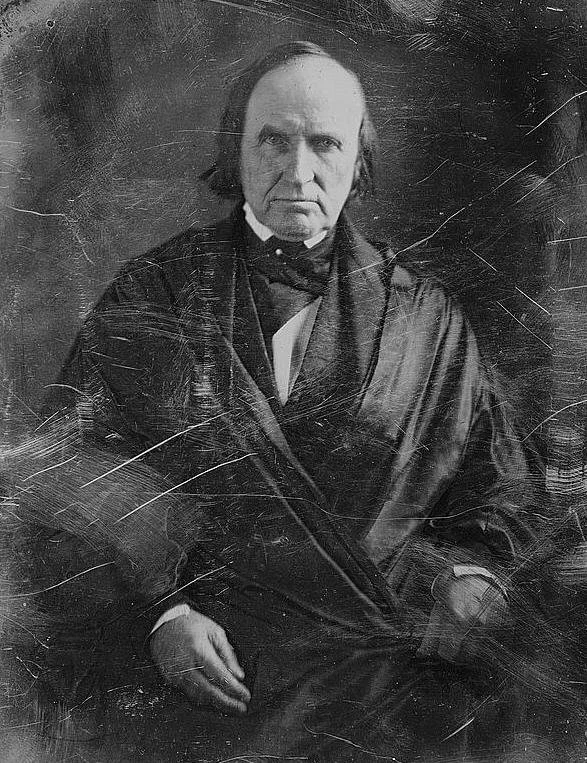

Sanford


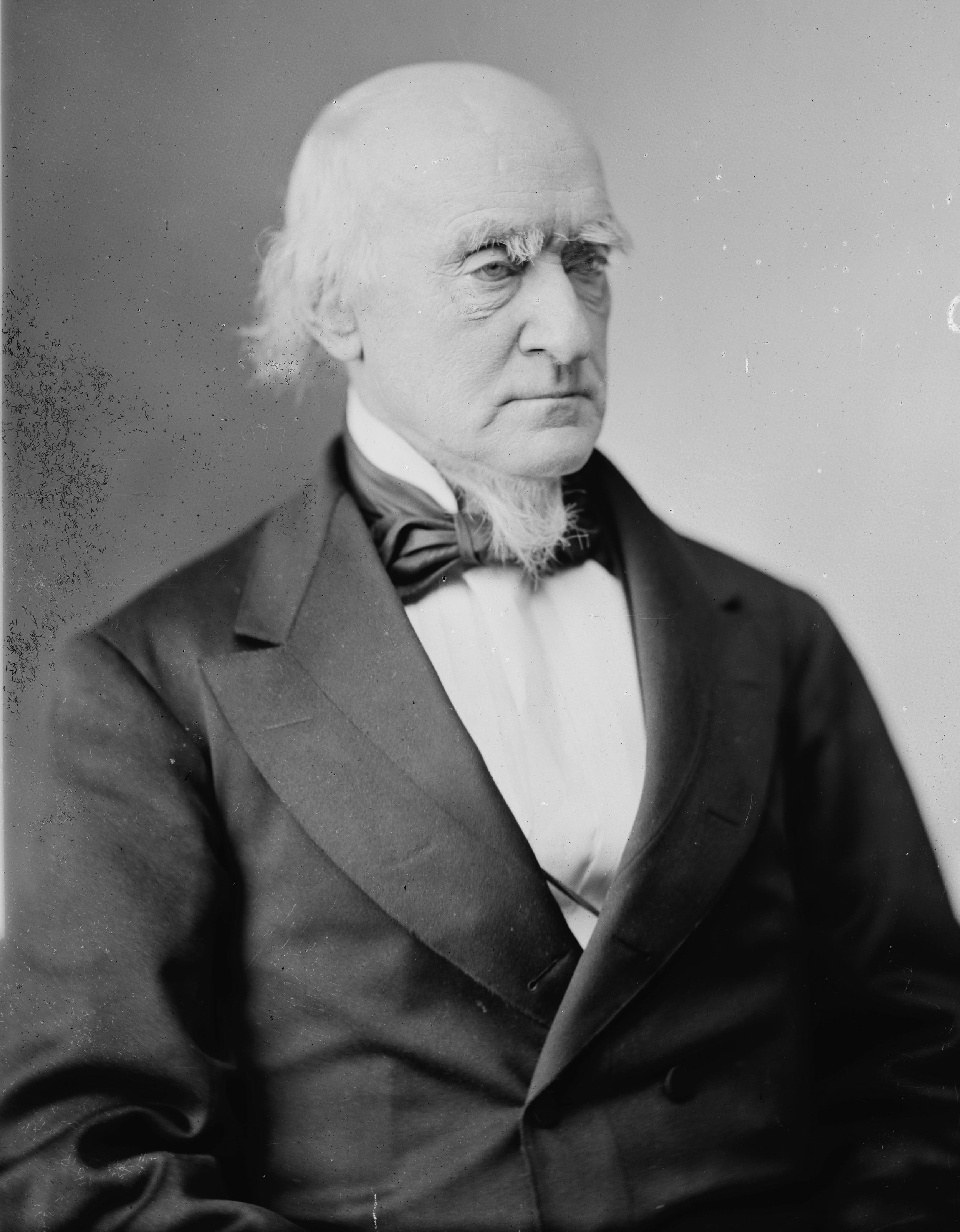


Taney
Daniel
Catron
Nelson
Grier
McLean
Campbell
Curtis
Wayne
“We think the Dred Scott decision is erroneous. We know the court that made it, has often over-ruled its own decisions, and we shall do what we can to have it to overrule this.”
— President Abraham Lincoln on June 26, 1857
-
Writing for the Court, Chief Justice Roger Taney first addressed whether Dred Scott, being of African descent, could be considered a citizen of the United States, which would entitle him to sue in federal court. Taney held Scott could not be a citizen under the Constitution, arguing that at the time the Constitution was framed, African Americans were not considered part of the political community and were excluded from the rights and privileges of citizenship. He emphasized that the framers viewed African Americans as inferior, stating, “[t]hey had for more than a century been regarded as beings of an inferior order… and so far inferior, that they had no rights which the white man was bound to respect.” Reviewing the historical context, Taney noted that laws in both Northern and Southern states supported the view that African Americans were not intended to be included as citizens. He pointed to laws prohibiting interracial marriage and restricting the rights of free Blacks, demonstrating that the sentiment of the time was to maintain a strict racial hierarchy.
Taney also discussed whether Congress had the authority to prohibit slavery in the territories and specifically scrutinized the Missouri Compromise, which restricted slavery in Northern territories. He concluded that such an act was unconstitutional, as it violated property rights protected by the Fifth Amendment, reasoning that, “[a]n act of Congress which deprives a citizen of his liberty or property, merely because he came himself or brought his property into a particular Territory of the United States, and who had committed no offense against the laws, could hardly be dignified with the name of due process of law.” Taney asserted that slaves were property and that the government was obligated to protect property rights. He argued that the Missouri Compromise, by excluding slavery from certain territories, unlawfully deprived slave owners of their property without due process.
Taney ultimately concluded that Dred Scott remained a slave and that neither Scott nor any other person of African descent could claim U.S. citizenship. This decision invalidated the Missouri Compromise, intensified tensions between the north and south, and moved the nation closer to civil war.